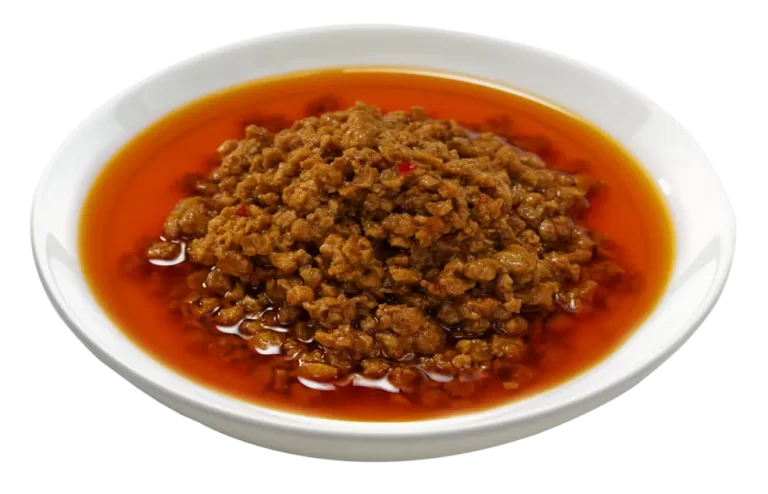
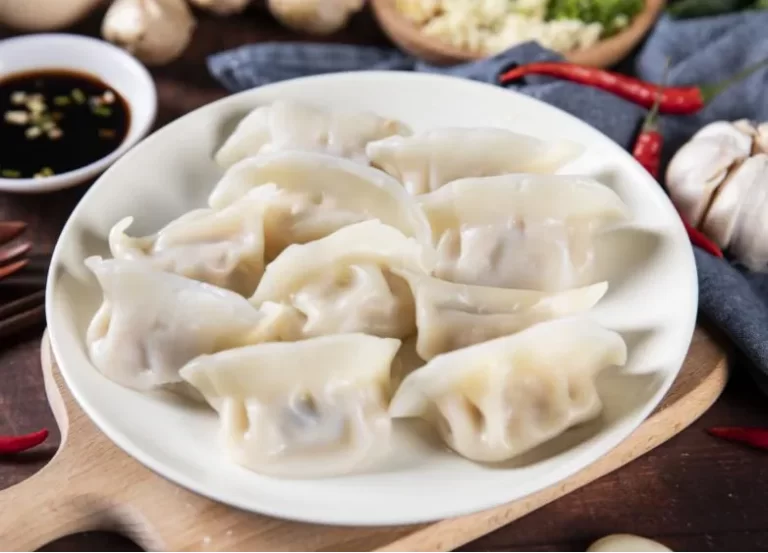
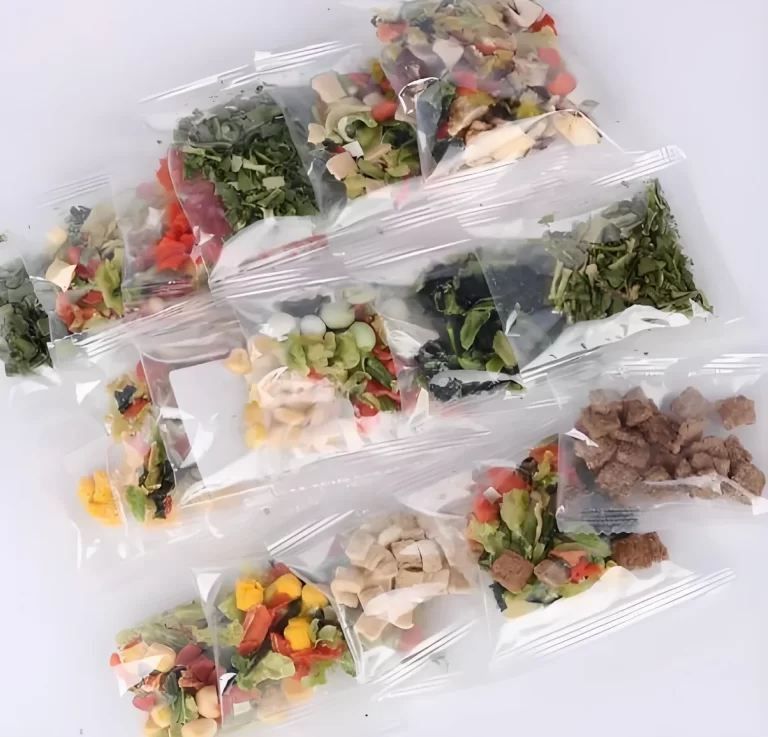
When a product developer in Chicago encountered dry, crumbly pieces in a plant-forward chilled entrée after a pilot run, she first blamed the soy ingredient. She changed seasoning and extended hydration, yet visible breakage returned on the line. The reversal came when the team compared particle size, hydration target, oil addition, and supplier documentation: the issue was a mismatched specification, not proof that textured soy protein was inherently a bad or “over-processed” ingredient.
Summary: Textured soy protein is made by processing soy-derived material into a dry, porous structure, usually through extrusion; that makes it processed, but “highly processed” is not a single legal food-category term. For brands, the useful distinction is whether the ingredient statement, nutrient specification, intended function, and supplier records fit the finished food. Start with a written specification—protein basis, particle grade, hydration procedure, and applicable market requirements—rather than making a processing claim from the ingredient’s appearance alone.
How is textured soy protein made, and what does extrusion change?
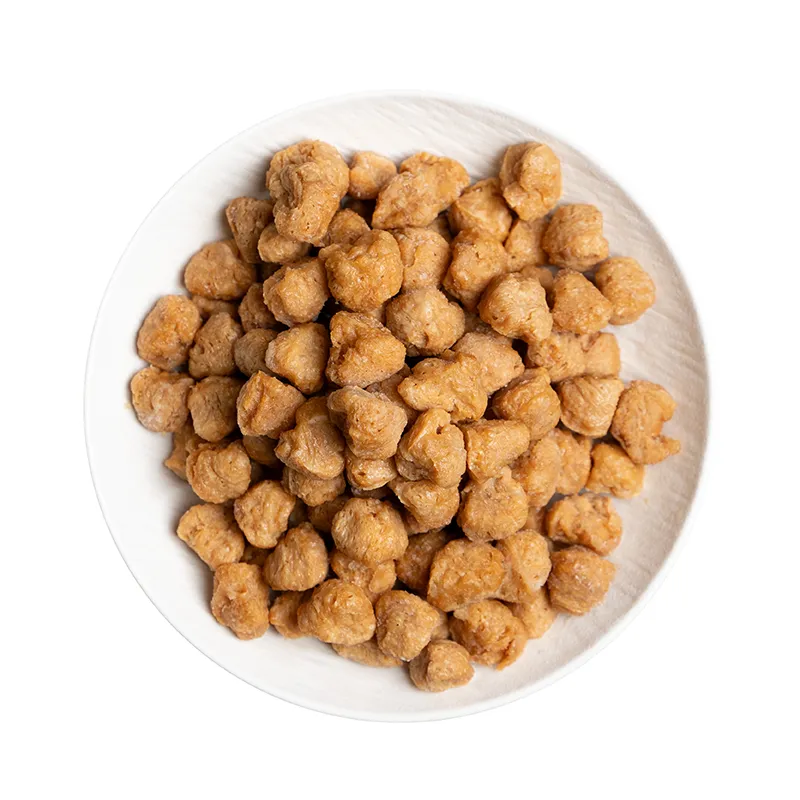
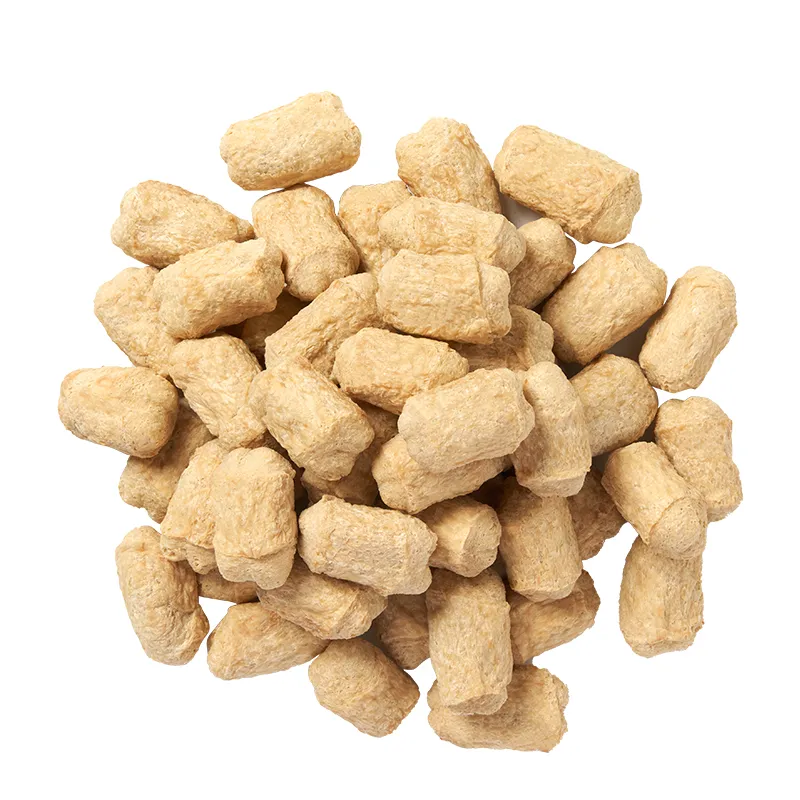
Textured vegetable protein (TVP) is a broad commercial description for plant proteins structured to create a meat-like, fibrous, or granular bite after hydration. Soy is a common raw material. The starting material may be defatted soy flour, soy protein concentrate, soy protein isolate, or a blend; that choice affects the ingredient statement as well as the material available for processing. The material is mixed with water, exposed to heat and mechanical shear in an extruder, shaped through a die, then dried for handling and shelf stability.
Extrusion creates the porous structure that helps the dry ingredient take up liquid. It can also affect density, water uptake, chew, piece integrity, and sauce pickup. Those functional changes do not, on their own, settle a nutrition or processing-classification question. Request the ingredient statement and technical data sheet, because products sold as TVP can differ in inputs, allergens, additives, density, particle size, and preparation directions. In the United States, ingredient declarations are governed by requirements such as 21 CFR 101.4; the finished-food label must reflect the formulation, not marketing shorthand.
Is “highly processed” a useful classification for textured soy protein?
Food-processing classifications are used differently by regulators, nutrition researchers, retailers, and consumers. In many jurisdictions, “highly processed” is not a pass-or-fail legal category for TVP. Processing may simply describe physical or chemical transformation; a public-health classification may apply a different framework; and a label claim must meet the rules of the destination market. Blurring those uses creates avoidable label-review risk.
The more useful commercial question is what has been done to the soy ingredient, why it was done, and what remains in the finished food. Extrusion is commonly used to create a shelf-stable, rehydratable protein texture. A clear ingredient declaration and complete supplier specification usually tell a brand more than an unqualified “minimally processed” or “highly processed” statement.
Protein content should also be read carefully. Specifications commonly express protein on an as-is or dry basis; moisture changes the comparison. For analytical verification, laboratories may use a nitrogen method such as ISO 16634-1 for combustion-based total nitrogen determination, with the appropriate conversion factor and product context documented. That is a test method, not a product certification, and it does not measure sensory texture or hydration performance.
How should functionality guide the formulation decision?
For formulation teams, TVP earns its place through controlled function. A porous dry piece can take up water, broth, or a seasoned process liquid; a fibrous grade can create a longer chew; a finer grade can distribute through fillings, patties, sauces, or snack systems. Density and particle size influence how quickly the liquid reaches the center of a piece and how the ingredient behaves during mixing. The right target depends on cooking method, hold time, sauce viscosity, freeze-thaw exposure, and the texture expected at consumption.
High Water Holding Capacity soy protein can be valuable when a formula needs a moist bite and less free liquid after rehydration. High uptake is not automatically better: too much hydration can soften a piece, dilute seasoning, or make line results less consistent. Define the hydration medium, temperature, time, drain step, and final yield in the product specification. A supplier’s internal method can support lot control, while an agreed customer method is needed for meaningful comparisons.
High Oil Retention soy protein is also application-dependent. Retained fat may support richness, flavor carry, and eating quality in cooked systems, but it should be assessed alongside emulsion stability, thermal treatment, and the finished food’s nutrition and allergen labeling. Bench trials should use the actual oil phase, seasoning system, and process order; a simple beaker result does not replace validation in a commercial formula.
The rehydration ratio soy protein is best treated as a controlled formulation measure, not a universal headline number. Calculate it with a defined dry weight, liquid quantity, soak or cook time, drainage rule, and post-hydration weight. Recording those conditions prevents procurement teams from comparing unlike results and gives operations workable batch instructions.
Which grade, size, and records should a buyer compare together?
Particle size changes both eating quality and process behavior. Larger chunks can suit stew, braise, or center-of-plate formats; medium granules can suit crumbles and fillings; smaller particles may better serve sauces or formed products. Bulk density adds another practical check because it affects dosing, package fill, and how an ingredient moves through equipment. The following comparison is directional rather than a substitute for a product trial.
| Selection dimension | Chunk or fibrous grade | Granular or finer grade | Brand implication |
|---|---|---|---|
| Typical texture objective | Defined pieces and longer chew | Even distribution or crumbled texture | Set the target bite before requesting samples. |
| Hydration control | May need time for the center to hydrate | Can hydrate quickly but may over-soften | Specify time, liquid, and drain rule. |
| Process compatibility | Useful where piece integrity matters | Useful in formed or mixed systems | Test after the real thermal process and hold. |
| Unit-cost tendency | Depends on grade and yield, not name alone | Depends on grade and yield, not name alone | Compare usable yield and waste, not purchase price alone. |
Total cost is shaped by yield, hydration time, trim loss, and rework—not purchase price alone. Mark any yield or cost model illustrative until it uses the buyer’s own batch data.
| Information to request | Why it matters | How to use it |
|---|---|---|
| Ingredient statement and allergen declaration | Supports formula and market label review | Review against the final recipe and destination requirements. |
| Protein and moisture specification | Clarifies the basis for nutritional and procurement comparisons | Confirm the reporting basis and test method. |
| Particle-size or texture grade | Links the ingredient to bite and handling expectations | Match it to the application and line equipment. |
| Non-GMO and certification documentation, if requested | Prevents unsupported sourcing or certification claims | Request current, scope-specific supplier evidence; do not assume it. |
How should label claims and compliance checks follow the evidence?
For U.S. products, the Food and Drug Administration’s labeling rules help determine how ingredients and allergens are declared; the FDA’s allergen resource explains the major-food-allergen framework. Soy is a major allergen under U.S. law, so the final label and cross-contact controls deserve review by qualified regulatory personnel. Other markets may apply different naming, language, allergen, nutrition, novel-food, or claim rules.
Non-GMO sourcing, organic status, kosher, halal, or food-safety-system certificates should never be inferred from “soy protein,” a supplier logo, or a past certificate. They are documentation questions: confirm the issuing body, site and product scope, validity dates, chain-of-custody requirements where relevant, and whether the evidence covers the exact ingredient being bought. Food-safety certification, where provided, is distinct from a nutrient, health, environmental, or processing claim.
Before launch, involve quality and regulatory teams to reconcile the bill of materials, supplier declaration, label artwork, and marketing copy. The guidance available through quality and safety information can help frame a documentation discussion, but the buyer remains responsible for the finished food and its intended market.
What should food brands verify before approving a supplier?
- Write the eating and process target first: piece size, bite, cooking step, hydration medium, and hold conditions.
- Request a current specification, ingredient statement, allergen declaration, density or particle-grade details, and test-method information for every candidate grade.
- Run a pilot with the final recipe, not plain water alone; record hydrated weight, breakage, seasoning uptake, fat carry, and texture after the full cooking and hold process.
- Review any non-GMO or certification request as a documented sourcing requirement, with destination-market review before it reaches packaging.
- Keep approved supplier records aligned with the version used in production, so procurement changes do not silently alter a label or claim.
For teams comparing structured soy formats, this overview of fibrous soy protein versus textured soy protein is a useful starting point. BCTVP can also support a product conversation around grade selection and the documentation a buyer needs to review; the decision should remain anchored in the finished application.
Frequently asked questions
What is fibrous soy protein?
Fibrous soy protein is a soy-based protein ingredient structured to produce strand-like or meat-like fibers after hydration and cooking. The exact structure depends on raw material, extrusion conditions, geometry, and formulation, so buyers should evaluate a sample in the intended food.
What is textured vegetable protein?
Textured vegetable protein is a general name for plant protein that has been processed into a dry, rehydratable texture. Soy-based TVP is common, but the phrase can cover different plant sources and grades; check the ingredient statement and specification rather than relying on the category name.
Is TVP good or bad for you?
TVP is an ingredient, not a complete diet or a universal health verdict. Its role in a food depends on the soy input, the rest of the recipe, serving size, sodium and fat levels, dietary needs, and allergen considerations; consumers with a soy allergy should avoid soy-based TVP.
Is TVP just tofu?
No. Tofu is typically made by coagulating soy milk and pressing the curds, whereas TVP is generally a dry structured ingredient made through processing such as extrusion. They have different water content, formats, handling needs, and formulation uses.
Is TVP a highly processed food?
TVP is processed because it is made from soy-derived material through steps such as mixing, extrusion, and drying. Whether someone calls it “highly processed” depends on the classification framework and context; that phrase is not a substitute for reviewing the actual ingredient list, nutrition profile, and intended claim.
Is textured soy protein the same as TVP?
Textured soy protein is commonly a type of TVP, but TVP is the broader term because it can include proteins from other plant sources. In purchasing documents, define the source, protein basis, grade, particle size, and functional target so that the terms do not create ambiguity.
References
- U.S. Electronic Code of Federal Regulations, 21 CFR 101.4: Food labeling—ingredient declaration
- U.S. Food and Drug Administration: Food allergies
- ISO 16634-1: Food products—determination of total nitrogen content by combustion
- Food and Agriculture Organization: Soybeans, post-harvest operations
Good textured soy protein decisions are less about a label applied to processing and more about whether the specified ingredient performs predictably, is documented accurately, and fits the finished food.
When you are ready to compare grades for your formula, review BCTVP textured soy protein product options and contact the team to discuss samples, specifications, and documentation needs.