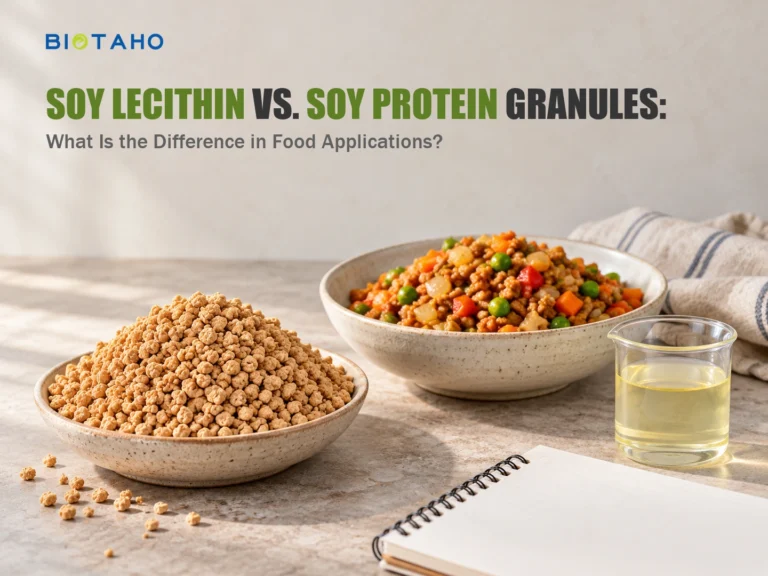
Soy Lecithin vs. Soy Protein Granules: What Is the Difference in Food Applications?
Compare soy lecithin and soy protein granules by function, food application, processing role, documentation, and selection criteria for B2B food manufacturing.



Compare soy lecithin and soy protein granules by function, food application, processing role, documentation, and selection criteria for B2B food manufacturing.
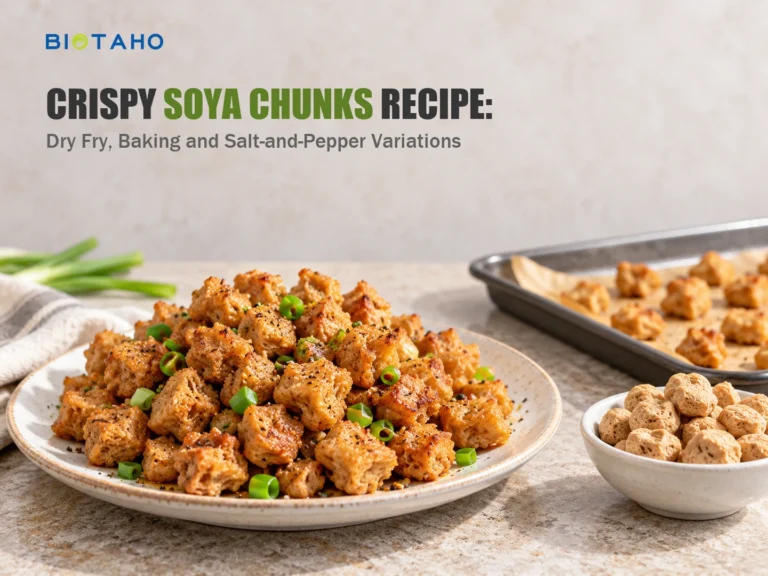
A crispy soya chunks recipe guide covering draining, starch coating, dry frying and baking, plus salt-and-pepper seasoning and tips for serving crisp bites.
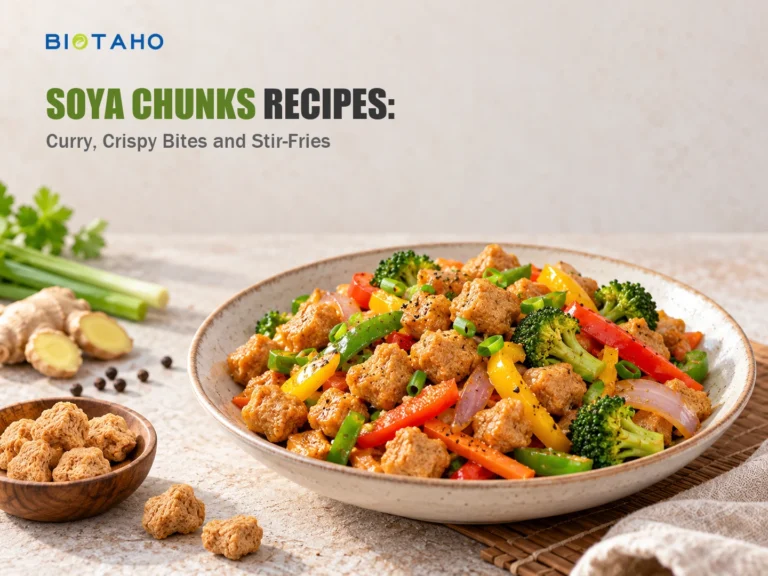
Choose a soya chunks recipe for curry, crispy bites or stir-fries, with soaking advice, seasoning ideas and ways to avoid watery or chewy results.
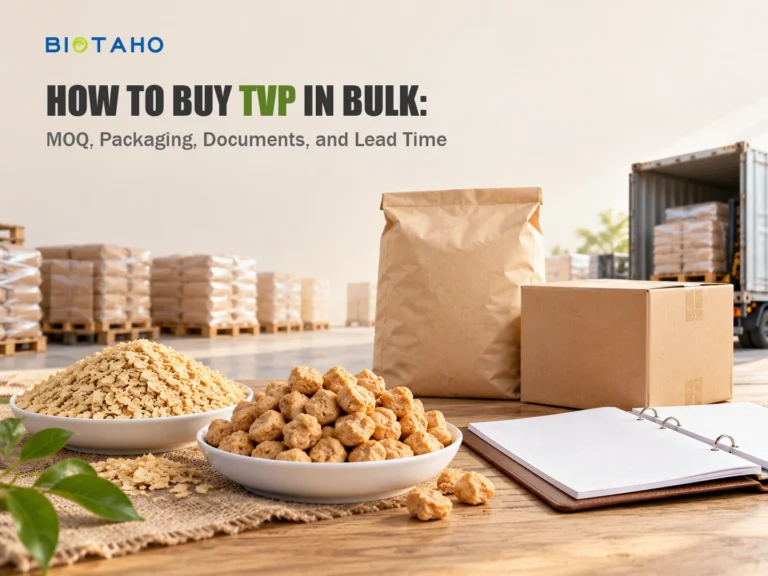
TVP bulk orders require clear MOQ, packaging and document approvals. This buying guide separates supplier lead time from shipping and receiving schedules.
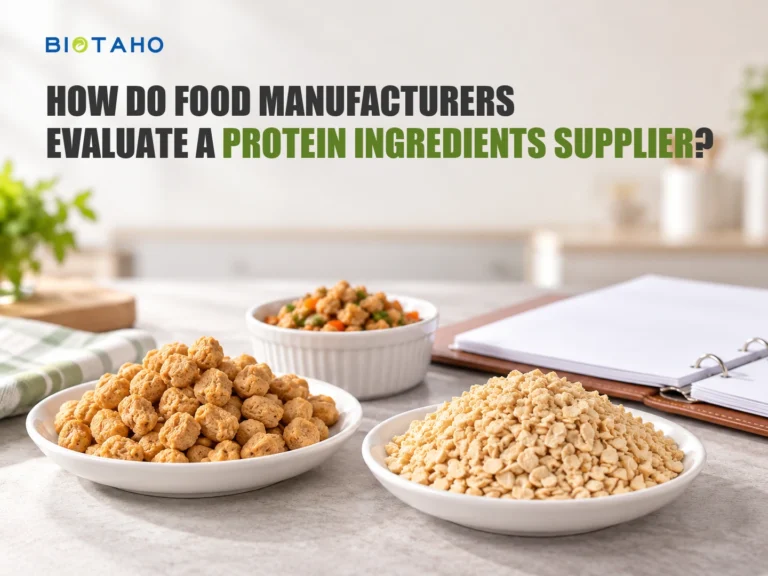
Evaluating a protein ingredients supplier starts with the food application, then checks sample trials, grade specifications and documents before bulk ordering.
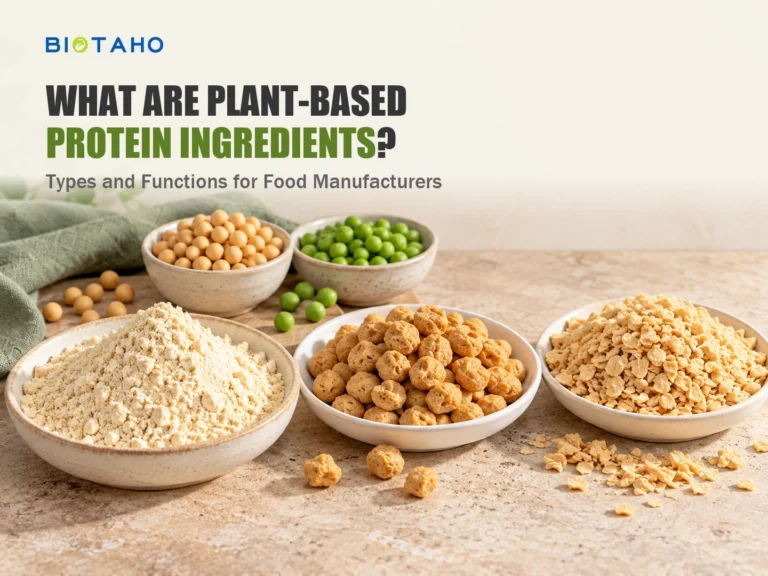
Flours, isolates and textured formats serve different formulation needs. Plant-based protein ingredients are compared by structure, hydration and process fit.
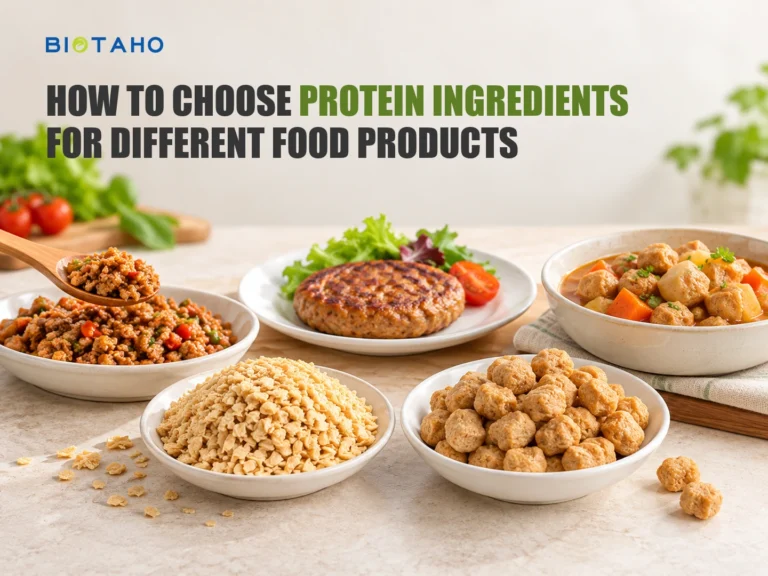
Choosing protein ingredients starts with the finished food: compare formats for fillings, formed products and visible pieces, then test the cooking process.
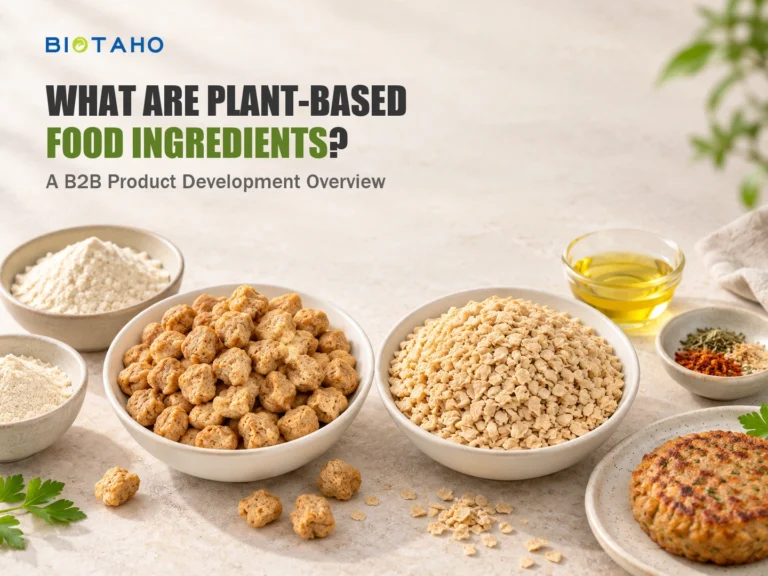
Plant-based food ingredients work together in a recipe: proteins, starches, fibres and oils influence texture, water management and processing decisions.
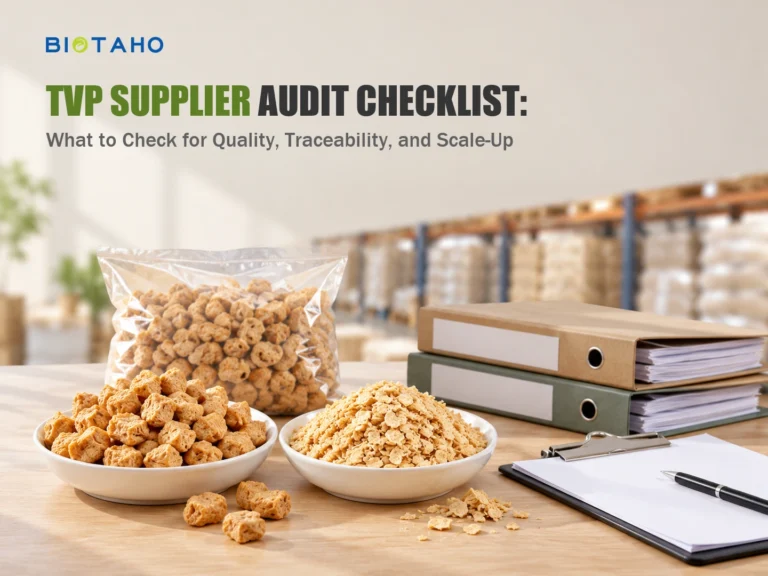
A TVP supplier audit checks whether samples, specifications and lot records agree. It also covers audit methods, traceability tests and scale-up approval.