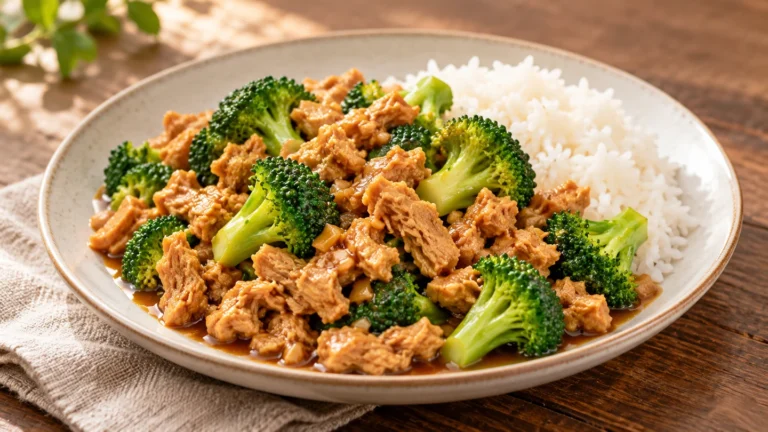
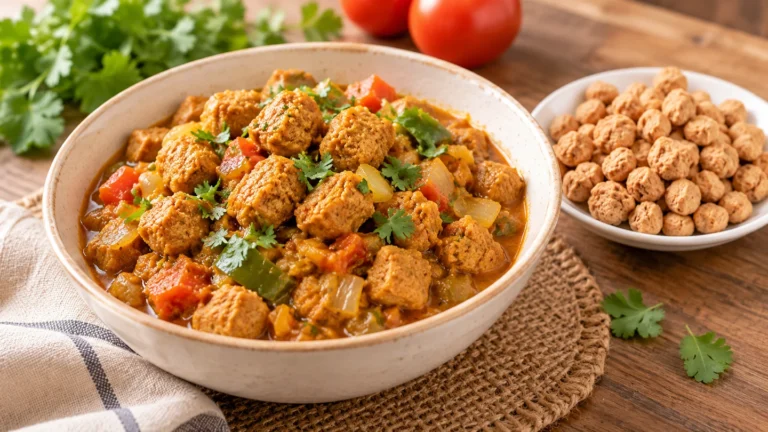
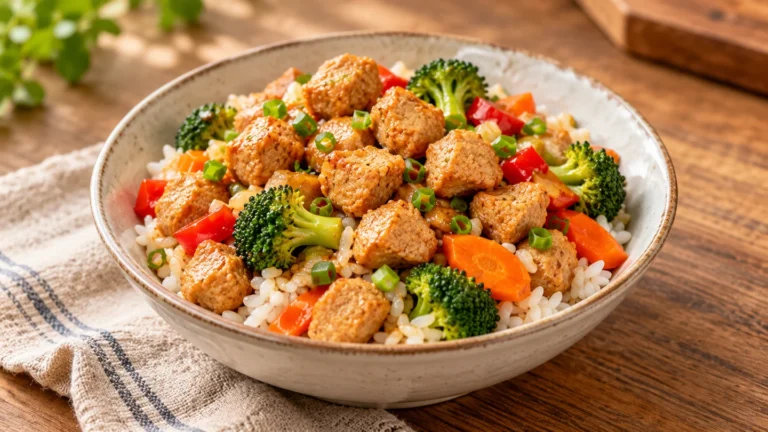
A sweet-and-sour dish needs pieces you can coat and sauce. A stir-fry needs protein that mixes easily with sliced vegetables, while dumplings need a filling that stays inside the wrapper. Choosing the soy shape first makes the rest of the cooking easier. Then check the sauces, stock and noodles: oyster sauce, chicken stock or egg noodles can make an otherwise plant-based meal unsuitable for a vegan diet.
Vegan Chinese food includes dishes based on vegetables, tofu, mushrooms, wheat ingredients and textured soy protein. For soy-based versions, chunks give separate bites, strands suit some shredded-style dishes and small particles work in fillings. The sauces, stock and wrappers need to be vegan too. Baichuan supplies raw soy ingredients for these kinds of recipes, rather than finished meals.
Which soy protein should you use for each dish?
For dumplings and steamed buns, Gránulos de PTV give you small pieces to mix with vegetables and seasoning. Baichuan lists sauce and stuffing uses for its granules, so they are worth considering for a filling trial. Chunks serve a different purpose in sweet-and-sour bites or hot pot. Prepare the soy fully before the final cooking stage; a quick toss in the wok will not hydrate it.
| Dish idea | Possible protein form | Main cooking question |
|---|---|---|
| Sweet-and-sour bites | Prepared chunks or another suitable piece | Can the cooked piece take sauce without losing the intended coating? |
| Broccoli stir-fry | Prepared strips or irregular pieces | Are the vegetables and protein ready before the final sauce toss? |
| Yu-xiang-style vegetables and soy | Prepared strips or small pieces | Are the sauce and bean-paste ingredients vegan? |
| Hot pot | Suitable prepared chunks, tofu or other ingredients | Is the broth vegan, and what does each ingredient need to cook? |
| Dumpling or bun filling | Small particles mixed into a suitable filling | Does excess liquid affect the wrapper or closure? |
Choose between soy protein chunks y textured soy protein strands according to the cut you want in the dish. Baichuan’s small soy fiber chunks are cubed, while its strands are shredded protein listed for catering. With either SoyaFiber protein format, check the prepared size and follow the product directions before deciding how large to cut the vegetables or how much to serve.
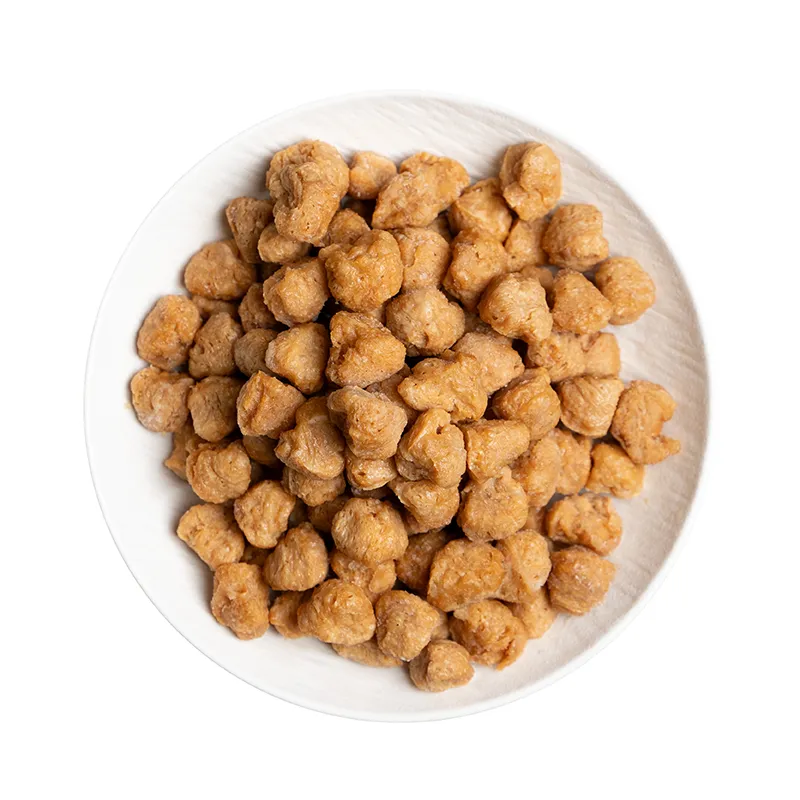
How do you prepare soy for sweet-and-sour dishes and stir-fries?
Cook coated sweet-and-sour pieces separately and toss them with the sauce close to serving. This helps balance a crisp coating with the wet sauce. Jeeca Uy’s vegan Chinese sweet-and-sour pork recipe gives one complete method to follow. If you change the soy ingredient, check its preparation rather than assuming the same timing will work.
A broccoli stir-fry needs a different sequence. In Nora Cooks’ vegan beef and broccoli, the broccoli cooks separately before joining the protein and sauce. That keeps the vegetables from overcooking while the other ingredients finish. The recipe uses soy curls, so prepare another type of soy protein according to its own directions.
For a yu-xiang-style dish, use soy pieces that are easy to eat with the vegetable strips. Check the bean paste and sauce ingredients too. Yu-xiang names a flavor style, so it does not tell you whether a restaurant’s dish contains meat or other animal ingredients.
Which sauces and noodles need checking?
When planning vegan Chinese cooking, check the sauces first. Ordinary oyster sauce and fish sauce contain animal ingredients. A mushroom-based stir-fry sauce may be suitable, but read its label too: vegetarian and vegan do not always mean the same thing.
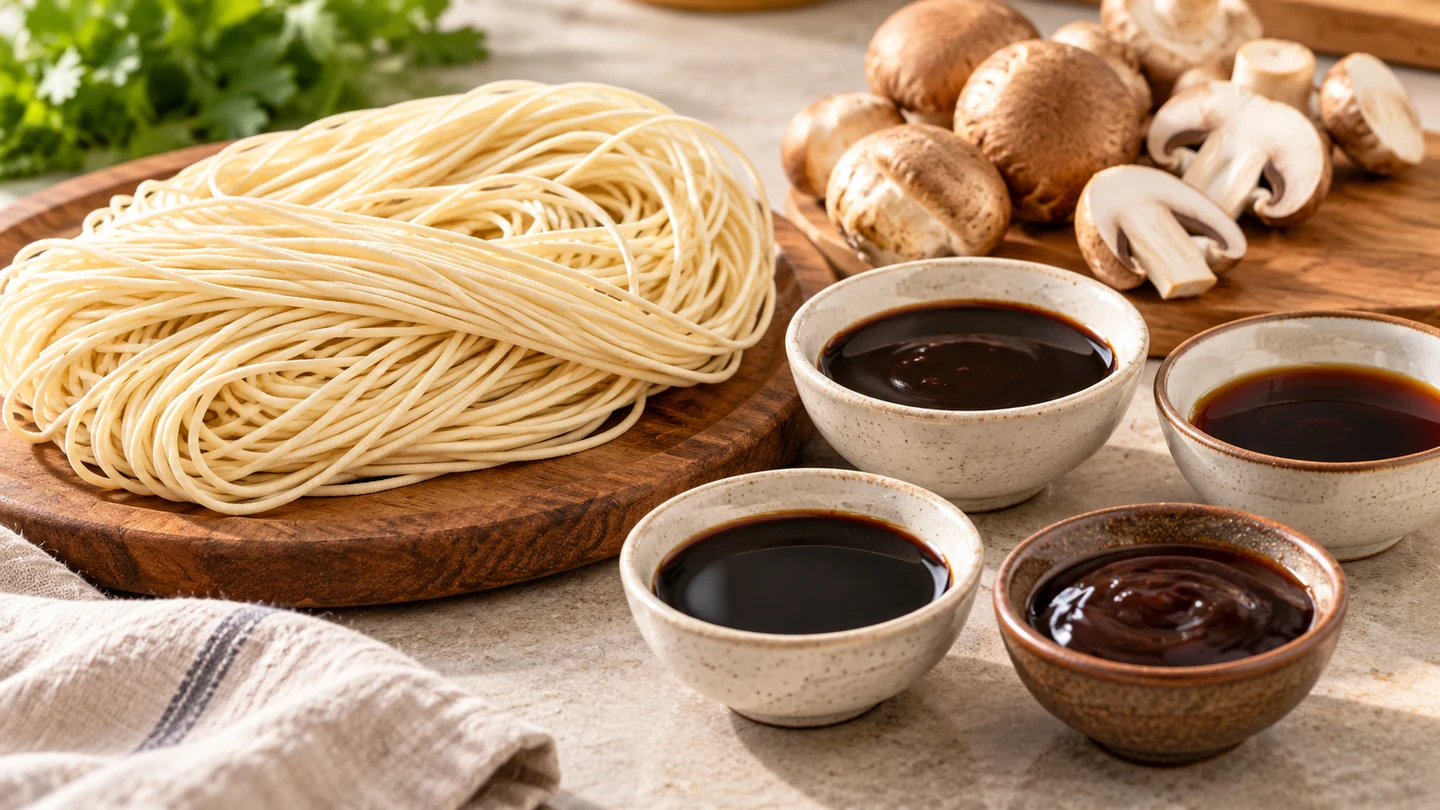
| Ingredient or menu item | What to ask or read | Possible suitable choice |
|---|---|---|
| Noodles | Are eggs included in the noodles or garnish? | Verified egg-free wheat or rice noodles |
| Stock | Is it vegetable, mushroom, meat or seafood stock? | Verified vegetable or mushroom stock |
| Oyster-style sauce | Does it contain oysters or other animal ingredients? | A verified vegan mushroom-based sauce |
| Hoisin or prepared stir-fry sauce | What is in this brand’s ingredient list? | A product whose full formula meets the intended diet |
| Dumplings and pancakes | What is in the filling, wrapper, cooking fat and dipping sauce? | A checked combination, including the sauce |
Allergies need a separate check. Soy sauce can contain wheat, noodles can contain egg, and sesame oil or peanuts may also be present. FDA’s food-allergy guidance explains the major U.S. allergens. A dish can be vegan and still contain ingredients someone needs to avoid.
Which soy ingredients work in appetizers and dumplings?
Small prepared chunks give crisp appetizers a different texture from bites shaped with granules and a binder. Choose a recipe for the style you want. Drain whole pieces before coating them, and keep dipping sauces on the side when crunch matters. Large or partly hydrated chunks will still be awkward to eat beneath a thick crust.
For dumplings, hydrate and drain the soy before mixing it with the vegetables. Vegetables may release more liquid after salting, so check the filling as you fold: it should be easy to portion without soaking the wrapper. The guide to soy protein in dumpling and bun fillings covers these preparation details. Remember to check the wrapper and dip as well as the filling before calling the dish vegan.
How do you order vegan food at a Chinese restaurant?
At a restaurant, ask about the details behind a no-meat request: the stock, oyster or fish sauce, eggs in the noodles, and cooking fat. If you have an allergy, explain it separately and ask about cross-contact. The staff can then tell you what the kitchen can accommodate.
At home, follow a recipe for the protein you have and reread labels when changing brands. For catering trials, record the amount of prepared soy and the liquid added to the sauce or filling. Changing the dry ingredient can affect both moisture and seasoning. Taste before adding salt, since stock, soy sauce and bean paste may already supply enough.
Preguntas frecuentes
What Chinese dishes are usually vegan?
Plain rice and some vegetable, tofu or noodle dishes can be vegan, but recipes vary. Check stock, sauces, egg and cooking fat. A vegetable name on the menu is not a guarantee.
What are some traditional Chinese vegan dishes?
Chinese cooking includes many preparations based on vegetables, tofu, mushrooms and wheat-based ingredients, including vegetarian culinary traditions. The exact recipe still matters, especially in restaurant adaptations.
Is chow mein normally vegan?
Not always. The noodles may contain egg, and the sauce may contain oyster sauce or meat stock. Ask about both the noodles and what goes into the wok.
Is Lo Mein usually vegan?
A vegetable lo mein can still contain egg noodles or animal-derived sauce. Ask about the noodles, stock, sauce and additions rather than assuming the vegetable version is vegan.
How to eat vegan at a Chinese restaurant?
Ask for a dish without animal ingredients and confirm the less visible components, especially stock, sauces and egg. For an allergy, explain it separately rather than relying on a vegan request.
Is Kung Po sauce vegan?
It depends on the recipe or bottled sauce. Check the stock and any prepared sauces. Peanuts may also be relevant to allergy management even when the recipe is vegan.
Is Chinese sweet and sour sauce vegan?
Some versions are vegan. Check the bottle or ask how the sauce is made, then check the ingredients of the food served in it. The sauce and the coated pieces need separate attention.
What sauce is used in moo shu?
Hoisin is commonly served with moo shu-style pancakes, while the filling may contain other seasonings. Check the particular sauce, pancakes and filling; egg or animal-derived sauce may be present elsewhere in the dish.
Choosing soy protein for a Chinese-style menu
Build the ingredient choice around the dish: chunks for coated bites, suitable strands for stir-fries and smaller particles for fillings. When requesting samples from the Baichuan team, name the recipe and explain whether you plan to fry, steam or simmer it. Check the product’s preparation and allergen information, then cook it with the full sauce or filling. That is the most useful way to judge whether a particular soy form fits your menu.