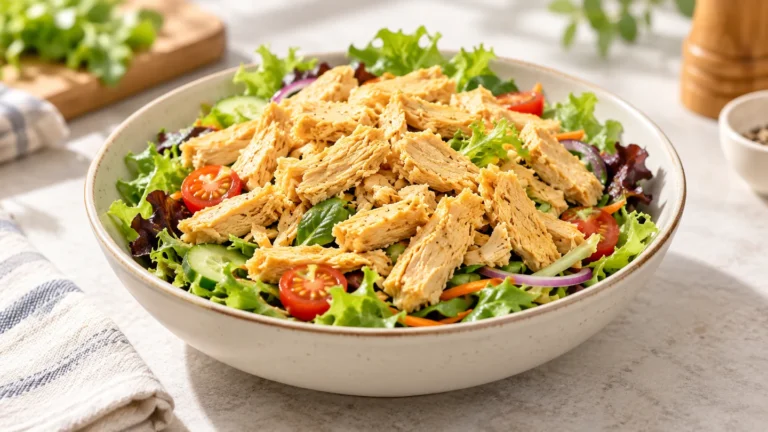
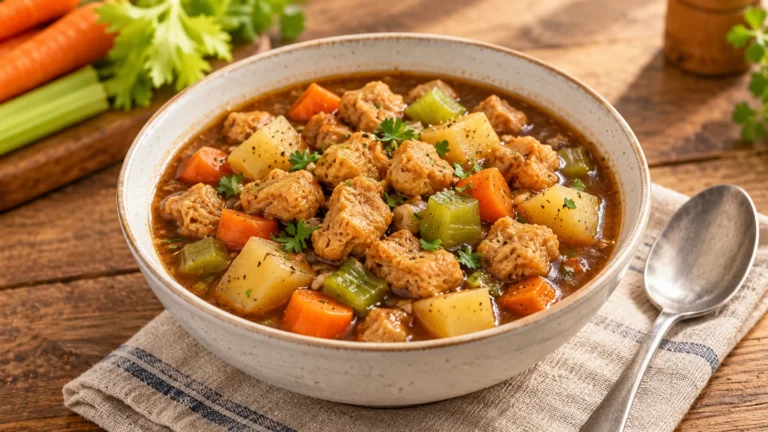
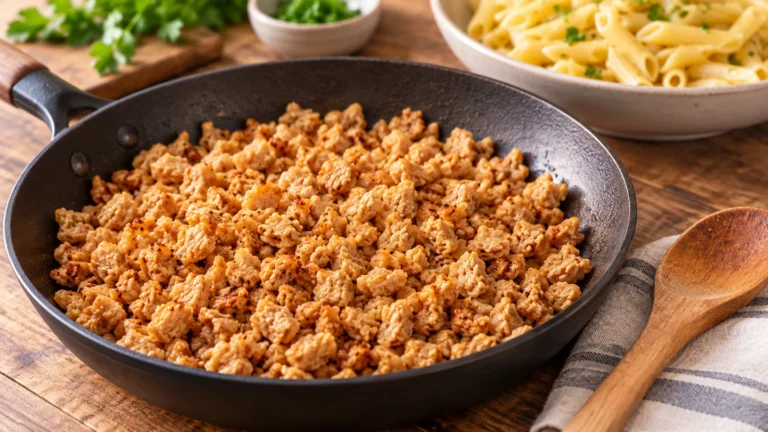
For tacos, you want crumbles that stay in the tortilla. For stew, you want larger pieces with a pleasant bite in gravy. A stir-fry needs protein that is easy to eat alongside the vegetables. Vegan beef covers all these foods, but they do not need the same soy ingredient. Start with the dish, then choose the shape, preparation and seasoning that suit it.
Vegan beef can be made with soy, wheat, pea protein, mushrooms or a mixture. Proteína de soja texturizada comes in small particles and larger pieces, giving you options for different recipes. It provides the starting texture. Broth, oil, seasonings and any needed binder complete the food.
What is soy-based vegan beef made of?
Small soy granules give mince its particles, while larger fibrous chunks provide separate bites in stew or sauce. Burgers also need ingredients that bind the mixture, even when they use the same granules as loose mince. Mushrooms and legumes can add flavor and body, but their protein contribution and behavior during cooking may differ from those of the soy ingredient.
Compare two public recipes: Karissa’s TVP ground beef produces loose seasoned crumbles, while Holy Cow Vegan’s stew combines larger soy pieces with vegetables and stock. Both replace beef, but need different preparation because the pieces do different jobs in the meal.
| Ingredient category | Possible role | Important distinction |
|---|---|---|
| Proteína de soja texturizada | Small particles or larger pieces | Grade and preparation affect the result |
| Wheat-based protein | Structure in suitable formulations | Contains wheat and gluten |
| Pea-based protein | Protein base in suitable products | The full formula may include other protein sources |
| Mushrooms and legumes | Flavour, body or meal ingredients | Not automatically equal in protein to another substitute |
| Seasoning, fat and binders | Flavour, mouthfeel and cohesion | Need assessment as part of the complete food |
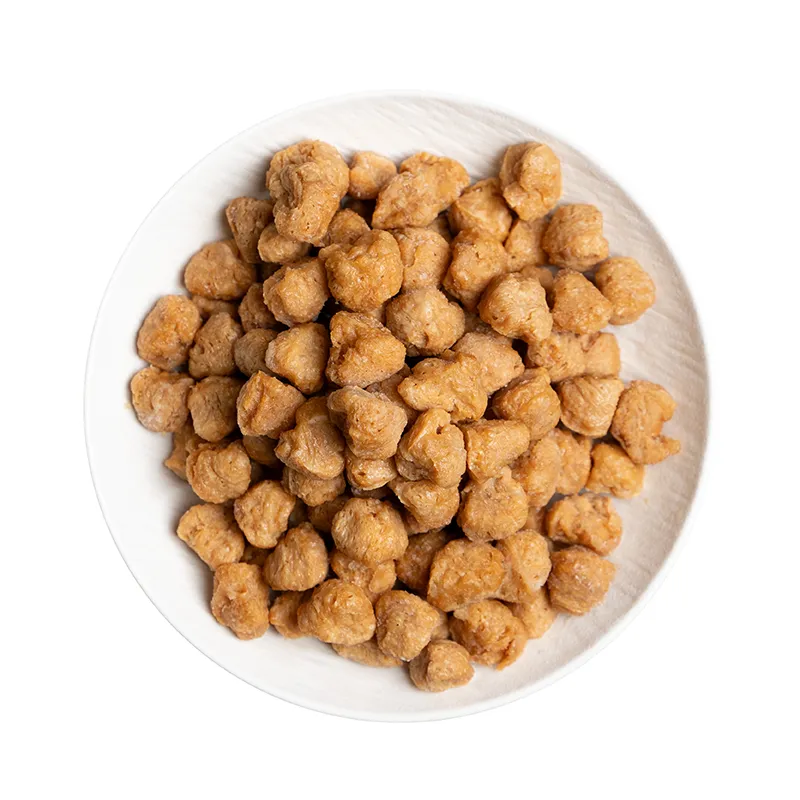
Which soy form suits mince, stew and stir-fry dishes?
Baichuan lists sauces and stuffing among the uses for its granules, making them worth considering for mince and fillings. Its small soy fiber protein chunks are listed for plant-based meat and catering dishes, where you may want larger bites. Use those descriptions to narrow the samples, then try them in your own filling, gravy or stir-fry sauce.
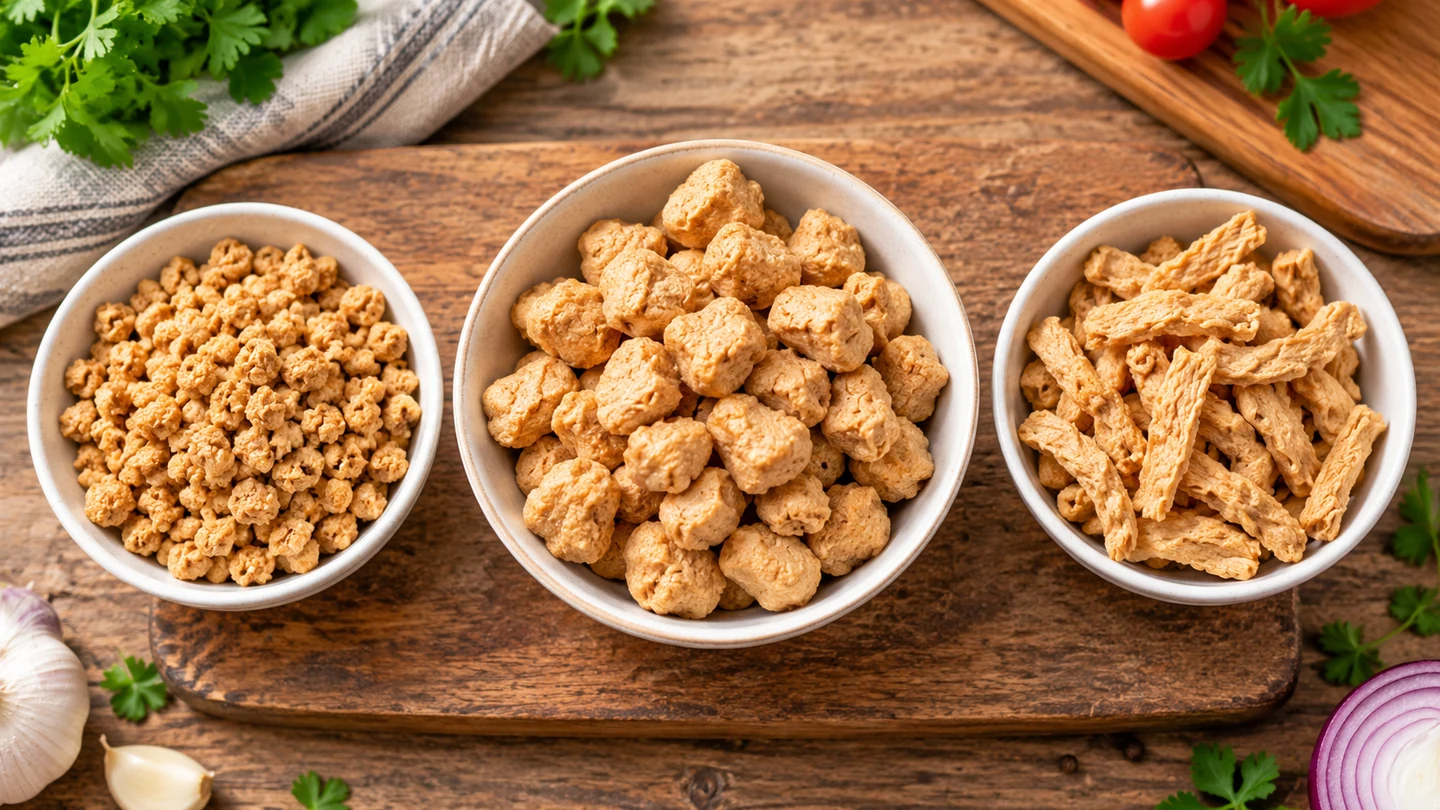
| Meal | Useful form to investigate | What to check in the finished dish |
|---|---|---|
| Tacos or pasta sauce | Granules or loose crumbles | Particle size, moisture and seasoning |
| Stew or casserole | Suitable chunks | Softness through the centre and texture after simmering |
| Broccoli stir-fry | Strips or irregular narrow pieces | Preparation, sauce coating and bite |
| Burger or formed patty | A designed mixture with binding | Cohesion, cooking and bite inside a bun |
| Filled pastry | Appropriately sized particles in a filling | Free liquid, depositing and wrapper condition |
With soy protein granules, check how evenly the pieces spread through the food and whether they leave excess liquid. With textured soy protein chunks, check the center after preparation and the texture after simmering. SoyaFiber protein products can have different formulas and hydration times, so check the directions for each one.
What is the difference between a dry ingredient and a finished product?
Dry ingredients may need soaking, draining, seasoning and cooking. A prepared retail product has already been mixed and shaped, though it may still be uncooked. Read the directions carefully, including whether they apply to frozen or previously prepared food.
For a first attempt, use the ingredient the recipe names. Whole-soy curls and other textured soy products can need different water amounts and preparation. Before switching to a commercial grade, get its directions and adapt the recipe accordingly. The guide to developing plant-based beef chunks covers larger formats and the questions to ask when comparing them.
How do you build a savory beef-style flavor?
Broth, mushrooms, tomato paste, soy sauce and seasoning build a savory flavor around the protein. Taste the prepared pieces with the final sauce before making changes. A reddish-brown granule may give you the appearance you want, but color does not supply flavor. Extra seasoning will not fix a chunk that is still hard inside either.
Check the seasoning across the whole meal. Well-seasoned crumbles can become too salty in a strongly flavored sauce. Also read labels: conventional Worcestershire sauce may contain anchovies, and beef-flavored stock can contain animal ingredients.
What should you check for nutrition and allergens?
Processing and nutrition vary between products. Compare protein, calories, sodium and saturated fat in similar prepared servings, taking your own dietary needs into account. A short ingredient list or vegan label alone will not tell you which product suits you best.
Compare prepared portions, since soaking changes the weight of the food. For a commercial recipe, record both dry and prepared protein amounts, along with the binder, oil and coating. This gives you a consistent basis for calculating nutrition and recipe quantities instead of using figures from an unrelated retail product.
FDA’s guidance identifies soybeans and wheat as major U.S. food allergens. Read the full recipe, including sauces and coatings. A pea-based product may also contain soy, and soy-based ingredients may be combined with wheat.
Preguntas frecuentes
What is vegan beef made of?
Possible bases include soy, wheat, pea protein, mushrooms and legumes, sometimes combined. Finished products may also include oil, seasoning and binders. Check the specific recipe or ingredient statement.
What is vegan beef?
It is a plant-based food intended to replace beef in a meal. The term covers different shapes and recipes. It does not mean the food contains animal beef.
What is the best vegan substitute for beef?
Granules are a starting point for mince, suitable chunks for stew and strands or narrow pieces for stir-fries. Try the ingredient in the meal you plan to make. A grade that gives good taco crumbles may need a different recipe for burgers or stewed pieces.
Is plant-based meat heavily processed?
Some products go through several processing and mixing steps; others are simpler preparations. Check the product itself. Its ingredient list and nutrition panel are more useful than a blanket answer about the whole category.
What are the downsides of plant-based meat?
Possible drawbacks include allergens, sodium, cost, preparation time or a texture you do not enjoy. Decide what matters for your meal or food-service operation, then compare products that meet those needs.
Is there a fake meat that isn’t made with soy?
Yes. Wheat- and pea-based alternatives are examples. Check the full label if avoiding soy, since mixed-protein formulations are possible.
What is the best protein to replace meat?
There is no single best choice for every meal or diet. Consider the required protein contribution, allergens, cooking method, texture and the rest of the meal.
What tastes like meat but is not meat?
Seasoned soy, wheat-based foods and other plant-based ingredients can provide a meat-style flavor in suitable recipes. Mushrooms and savory seasonings also contribute. The finished result depends on the combination and how it is cooked.
Choosing a soy ingredient for your beef-style dish
Write down the dish and how it will be served before requesting samples. Tacos need loose crumbles without excess liquid; stews need chunks that remain pleasant after simmering; patties need binding as well as texture. Tell the Baichuan team what you are making and ask for sample ingredients, preparation directions and prepared size. Cook each sample with your intended sauce and reheating method before choosing a soy protein for the recipe.