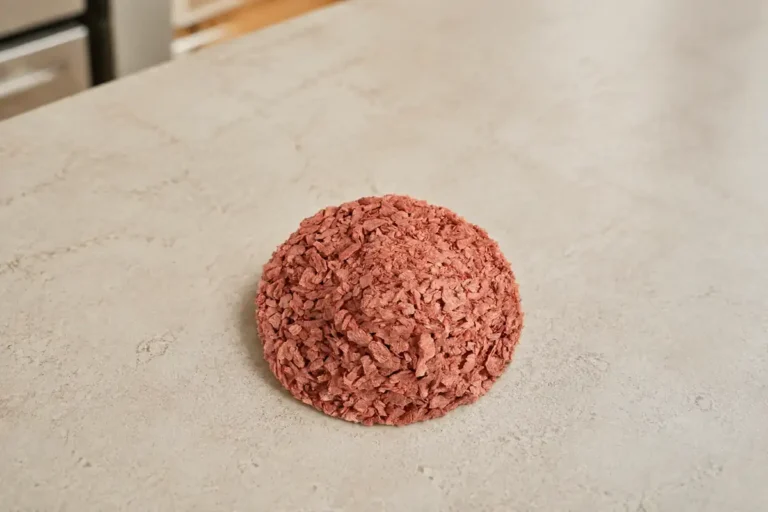
Fibrous Soy Protein for Plant-Based Meat: Applications, Benefits and Selection Guide
Learn how fibrous soy protein supports meat-like texture, water binding, extrusion, labeling, compliance, and practical procurement decisions.



Learn how fibrous soy protein supports meat-like texture, water binding, extrusion, labeling, compliance, and practical procurement decisions.
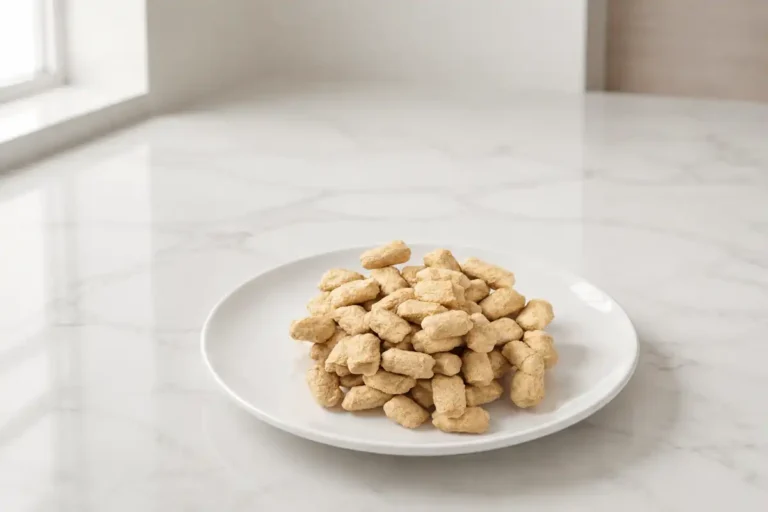
Learn how to rehydrate fibrous soy protein with practical liquid ratios, soaking times by particle size, hydration-medium choices, draining steps, and texture controls.
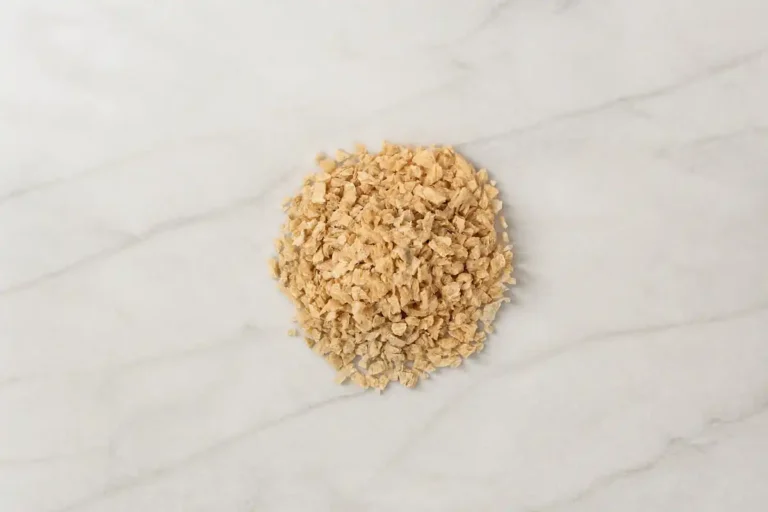
Compare fibrous soy protein suppliers by protein, particle size, hydration, compliance, supply continuity, and technical support before approving a source.
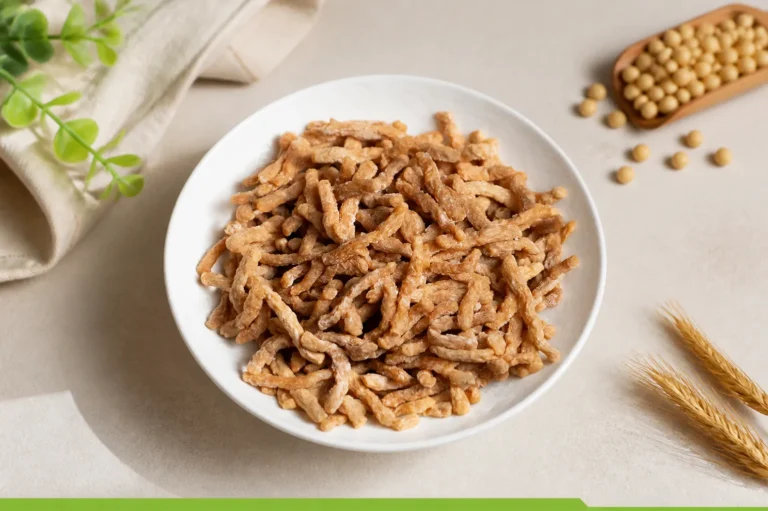
When a plant-based brand in Los Angeles launched vegan chicken strips, the product looked promising on the bench but failed during a live wok demo. The strips were standard TVP pieces cut into a strip shape, not material engineered for…
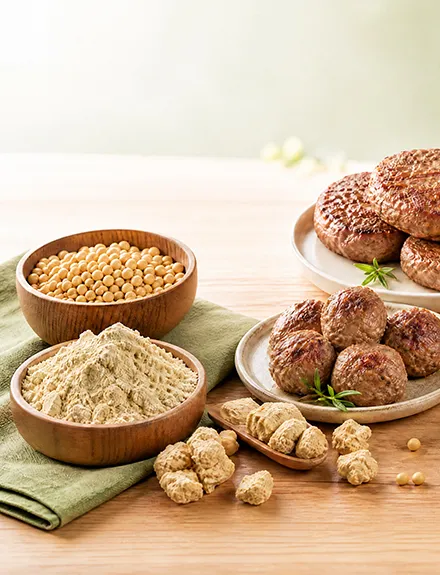
When a QA manager in Dubai cleared a TVP shipment because the paperwork looked complete, she missed that the allergen statement omitted soy lecithin used in the coating — and three months later a customer allergic reaction triggered a recall…
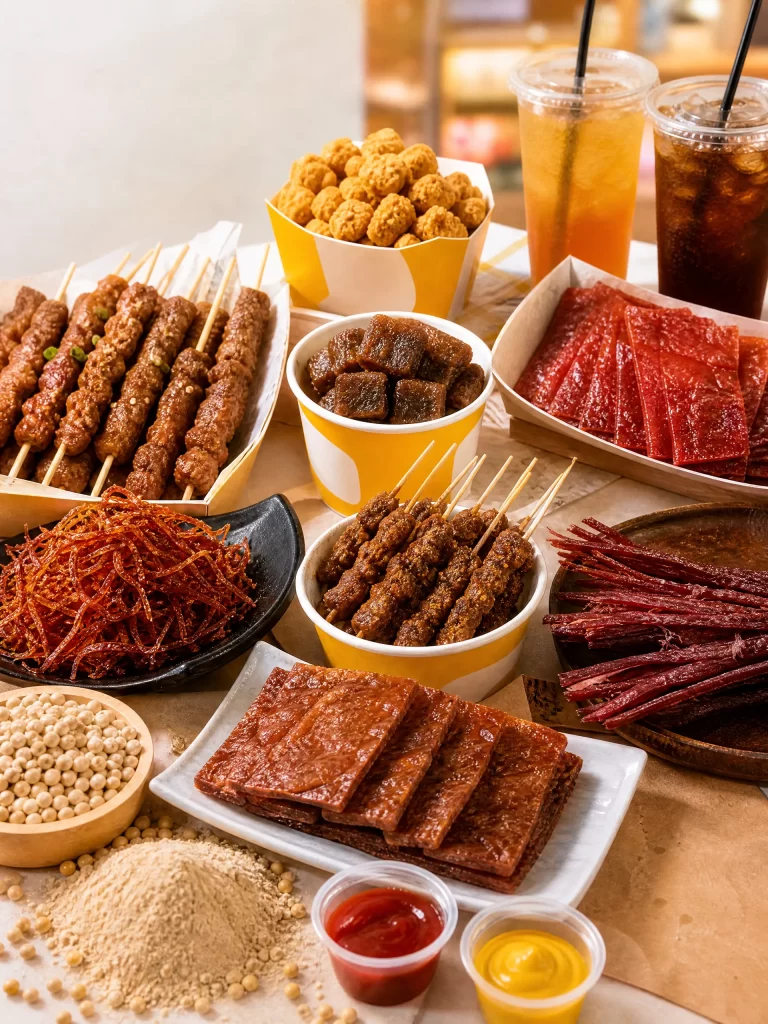
When a multinational prepared-foods team in Hamburg needed one supplier to cover granules for a sauce, chunks for a bowl and fibrous protein for a premium line across three factories, managing four vendors became its own full-time job. Four specification…
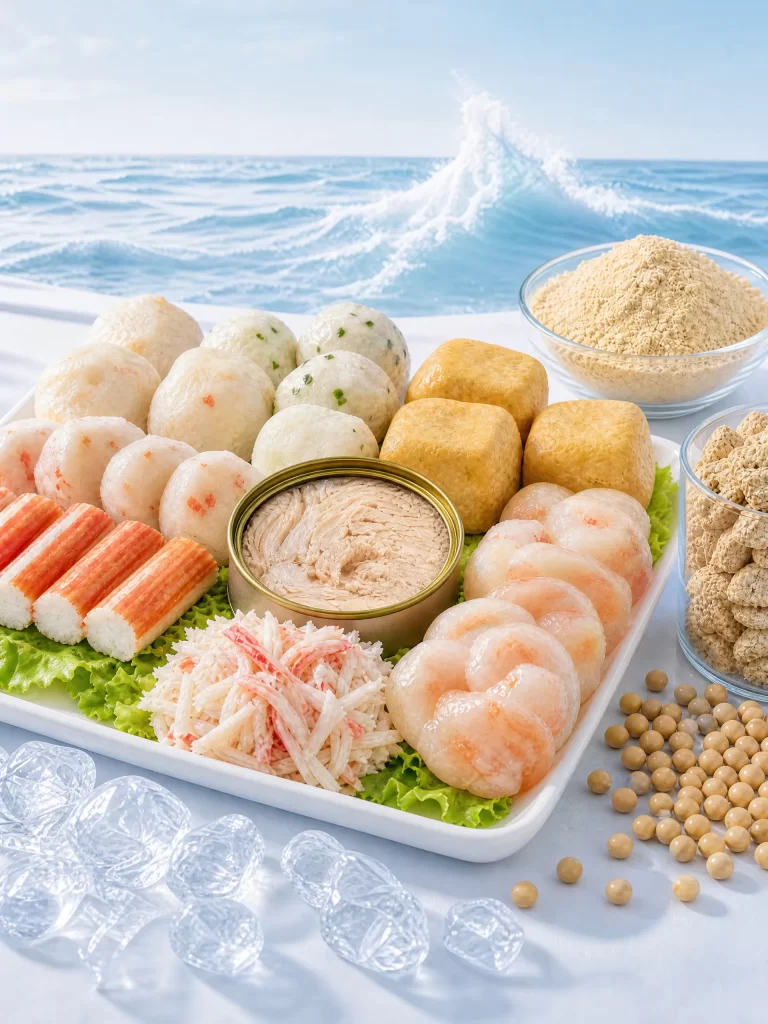
When a plant-based beef brand in Toronto couldn’t get its “pull-apart” texture right with commodity TVP, the product developer spent four months blaming the recipe. He adjusted methylcellulose, changed the marinade, raised the fat analogue, tried three binder systems —…
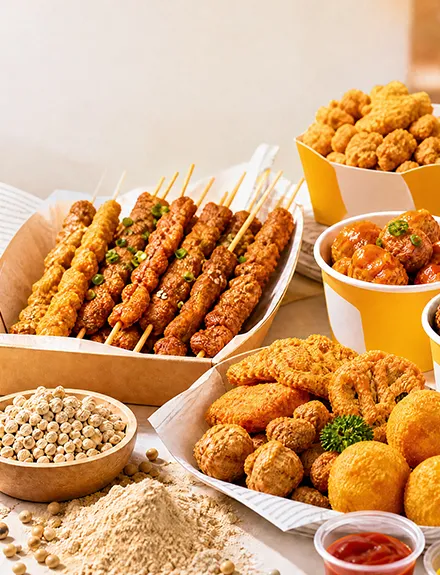
When a product developer in Bangkok specified “TVP” for a new vegan line without stating a format, she received granules that dissolved into her broth instead of the chewy chunks the concept needed — a six-week reformulation loop that delayed…
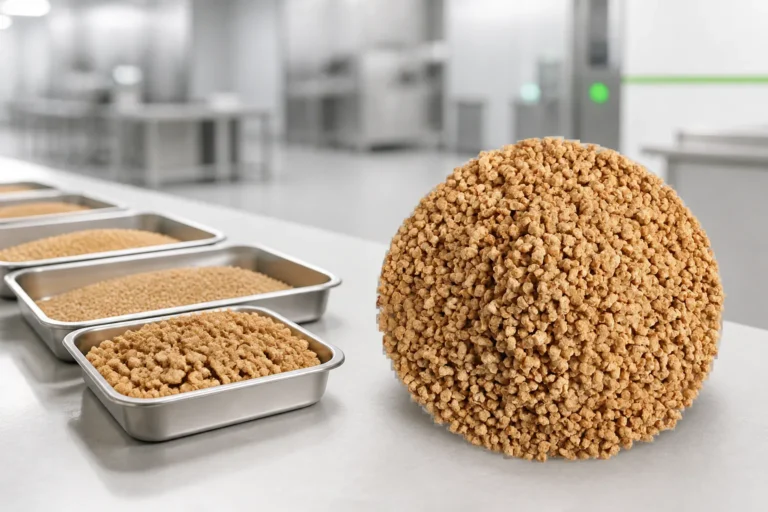
When a frozen-food buyer in Warsaw reformulated a meatball line with TVP granules, the target was simple: reduce meat cost without changing the eating experience. The first trial achieved the cost saving — around 30% — but failed on texture.…