Easy vegetarian recipes can start with one dependable meal: a tomato-and-bean skillet made with prepared soy granules, onion, garlic and a few seasonings. Cook the sauce until it clings to the crumbles, then serve it with bread or couscous. The same filling can work over rice or inside a wrap with a small adjustment to its moisture.
The ingredient decision comes before the pan goes on. Small granules distribute through the tomatoes and beans, while chunks and strands create more distinct pieces. Preparation also affects the schedule: a short skillet simmer does not mean the dry protein is ready to use immediately.
Use soy granules for a simple meatless skillet
Choisir grains de soja when you want a spoonful containing crumbles, beans and sauce together. Their small form suits a loose filling that needs no egg, flour or other binder. Keep the first batch straightforward so you can judge the protein’s texture and the sauce’s thickness without adding extra ingredients.
Baichuan liste ses compact textured vegetable protein granules as irregular pieces intended for sauces and fillings. That makes this form a relevant candidate for the skillet, although the recipe remains a starting point for trials with the specific ingredient. The listed blend includes soybean ingredients, wheat gluten and wheat flour; it is not pure soy isolate or a gluten-free ingredient.
The quantities below are a starting point for two generous portions with bread or another starch. Measure the granules dry, then prepare them separately. Their preparation liquid is additional to the canned tomatoes in the recipe.
| Ingrédient | Montant de départ suggéré |
|---|---|
| Dry textured soy granules | 50 g, prepared according to the pack |
| Huile d’olive ou de colza | 1 cuillère à soupe |
| Onion and garlic | 1 small onion, diced; 2 garlic cloves, chopped |
| Smoked paprika and ground cumin | 1 cuillère à café chacun |
| Tomates hachées | 1 × 400 g peut |
| Cooked kidney or white beans | 1 × 400 g can, drained and rinsed |
| Épinards | 80 g |
| Lemon juice, salt and pepper | 1–2 teaspoons lemon juice; seasoning to taste |
| Servir | Bread or cooked couscous for two |
These ingredients make a vegetarian meal without a meat substitute sauce or specialist seasoning mix. For a vegan serving, check the bread and any toppings for animal-derived ingredients. Soy and wheat are major allergens, so check the complete current labels before cooking for someone with an allergy.
Prepare the protein before starting the quick cooking stage
With the ingredients chosen, allow time for the granules to hydrate before beginning the onion stage. Baichuan gives a hydration window of 40–55 minutes for this granule product. That is separate from the skillet’s cooking time, not a total dinner time or a complete soaking instruction. Use the current product directions for water quantity, temperature, draining and any required cooking.
Prepare the granules according to those directions, including any required cooking. If draining is specified, drain well before adding them to the pan. Excess preparation water would enter alongside the tomatoes and make the filling take longer to reduce. Conversely, insufficiently prepared pieces should not be expected to finish hydrating reliably in a thick tomato sauce.
While the protein is being prepared, dice the onion, chop the garlic, rinse and drain the beans, and measure the spices. Keep the spinach and lemon ready for the end. This separates the longer ingredient-preparation stage from the relatively simple pan work that makes these easy vegetarian meals manageable.
Hydration changes the weight of protéine de soja texturée by adding water. Keep the recipe’s dry quantity as the reference when recording a batch; do not substitute the same weight of prepared granules for the dry amount. A product’s nutrition label also needs its dry or prepared basis checked before any per-serving calculation.
Cook tomato and beans around the hydrated granules
Once the granules are prepared, build flavour in the pan before adding the wet ingredients. Use a wide frying pan so the sauce can reduce uncovered, and follow the sequence below.
- Heat the oil over medium heat. Add the onion and cook, stirring, until softened and beginning to turn golden at the edges.
- Add the garlic, smoked paprika and cumin. Stir briefly until fragrant, then stir the prepared granules into the onion mixture.
- Add the chopped tomatoes and drained beans. Bring to a gentle simmer and cook uncovered, stirring occasionally, until the sauce coats the granules without pooling around them. Start checking after about 10 minutes. If the mixture dries out before the flavours develop, add water a tablespoon at a time.
- Fold in the spinach until wilted. Check that the granules are evenly tender with no hard centre. This is a texture check; complete all cooking required by the product directions.
- Add the lemon juice, taste and adjust the salt and pepper. Serve with bread or cooked couscous. The mixture should be easy to spoon but thick enough to sit on bread without immediately soaking through.
The tomatoes provide the sauce, while the drained beans add substance without bringing their canning liquid into the pan. Both the tomatoes’ consistency and water retained by the granules can vary, so use the coating cue to guide reduction instead of treating the first check as a fixed finishing time.
Add lemon only after the tomatoes have cooked down. Reduction concentrates their flavour, and tasting at the end makes it easier to judge how much acidity and seasoning the finished filling needs.
Adjust the filling for toast, rice or wraps
Use the finished skillet’s moisture to decide how to serve it. For bread or toast, aim for sauce that coats the granules and stays with them on the spoon. For a wrap filling, let it reduce a little further so loose tomato liquid does not collect inside the wrap. These are two serving points along the same reduction process.
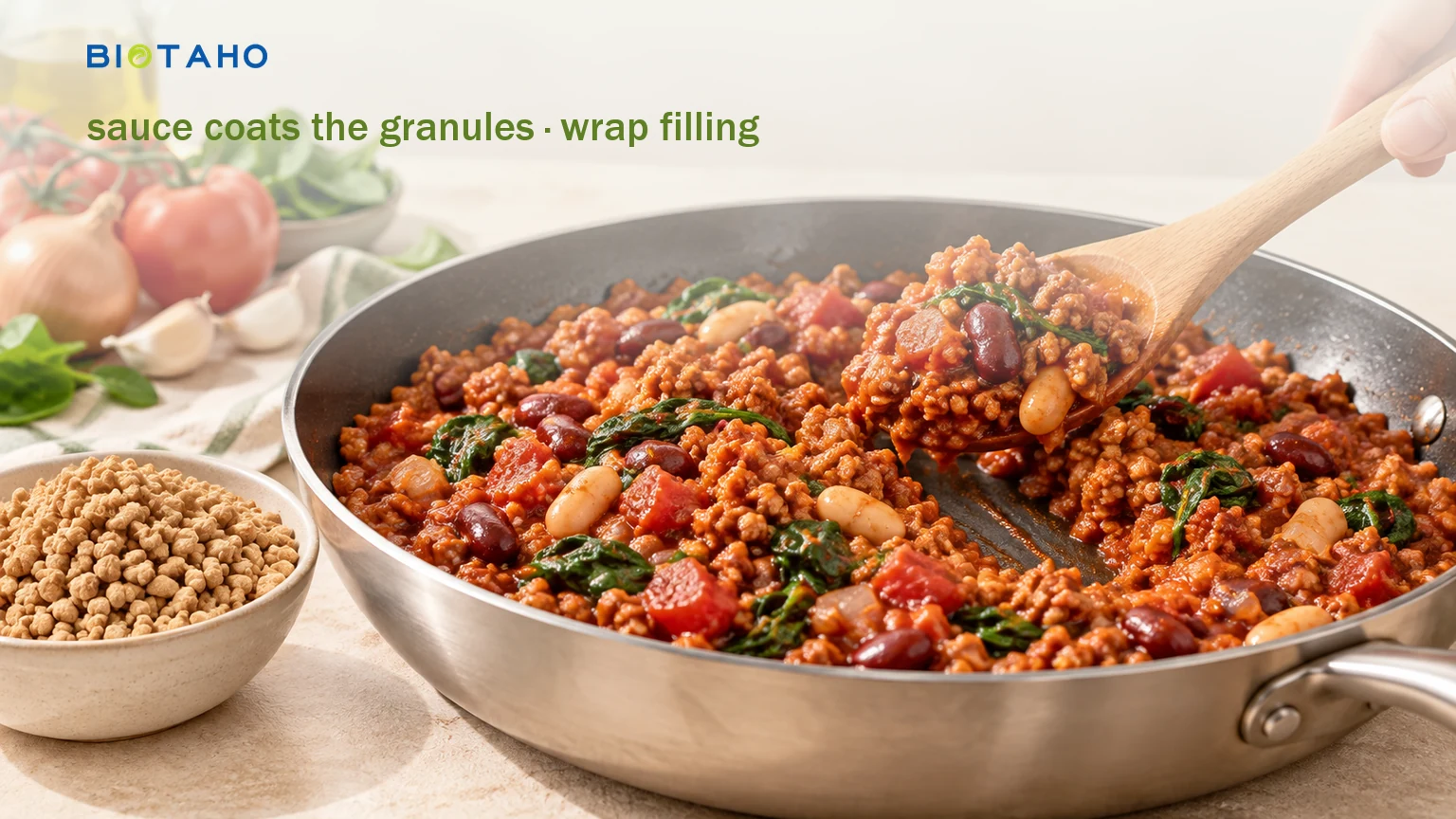
For rice or couscous, keep the mixture more spoonable, loosening it with a splash of water if necessary. The starch can take up some sauce, so there is no need to reduce it as far as a wrap filling. Make this adjustment before the final seasoning check, since adding water changes the concentration of salt, spice and acidity.
This is a useful way to vary meatless meals without changing the whole recipe. Start with the same tomato-bean base and change its consistency and serving starch. If adding cheese, choose one labelled suitable for vegetarians; omit dairy or use a suitable plant-based topping for a vegan meal.
For leftovers, follow FDA guidance: refrigerate promptly in shallow containers within two hours of cooking, or within one hour when the outside temperature exceeds 90°F. Keep the refrigerator at 40°F or below. Reheat leftovers to 165°F, checked with a food thermometer, and bring reheated sauces to a boil. Texture alone does not establish safe reheating.
Change the soy format when you want a different kind of meal
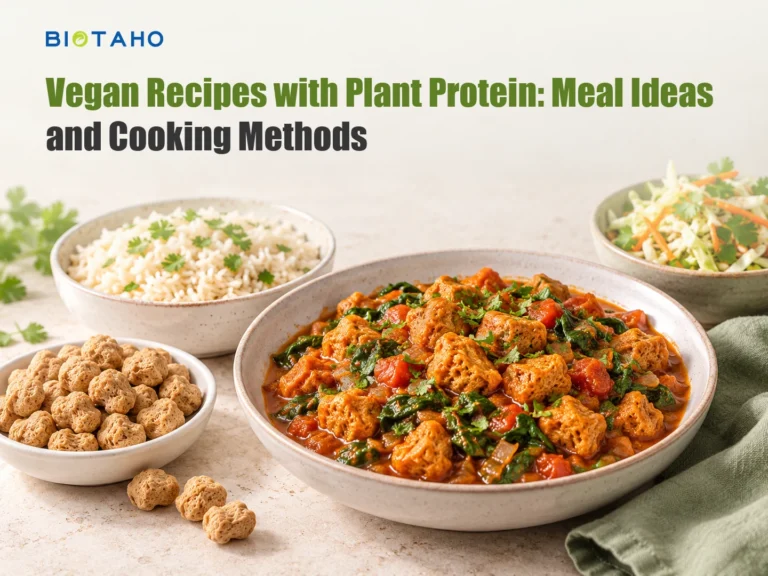
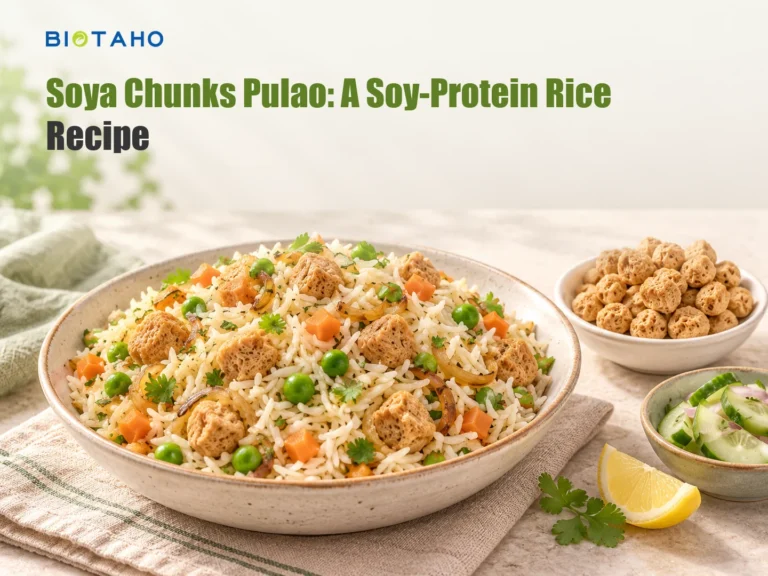
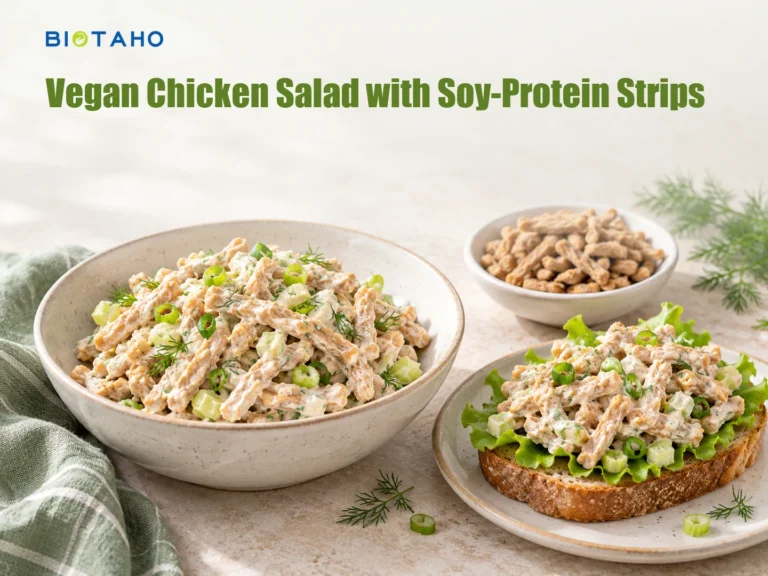
Once the granule filling has the consistency you want, decide whether another meal needs the same small crumbles or more distinct bites. Granules distribute through sauce; morceaux de protéines de soja remain separate pieces. Changing the format therefore changes the eating experience, not just the name of the ingredient.
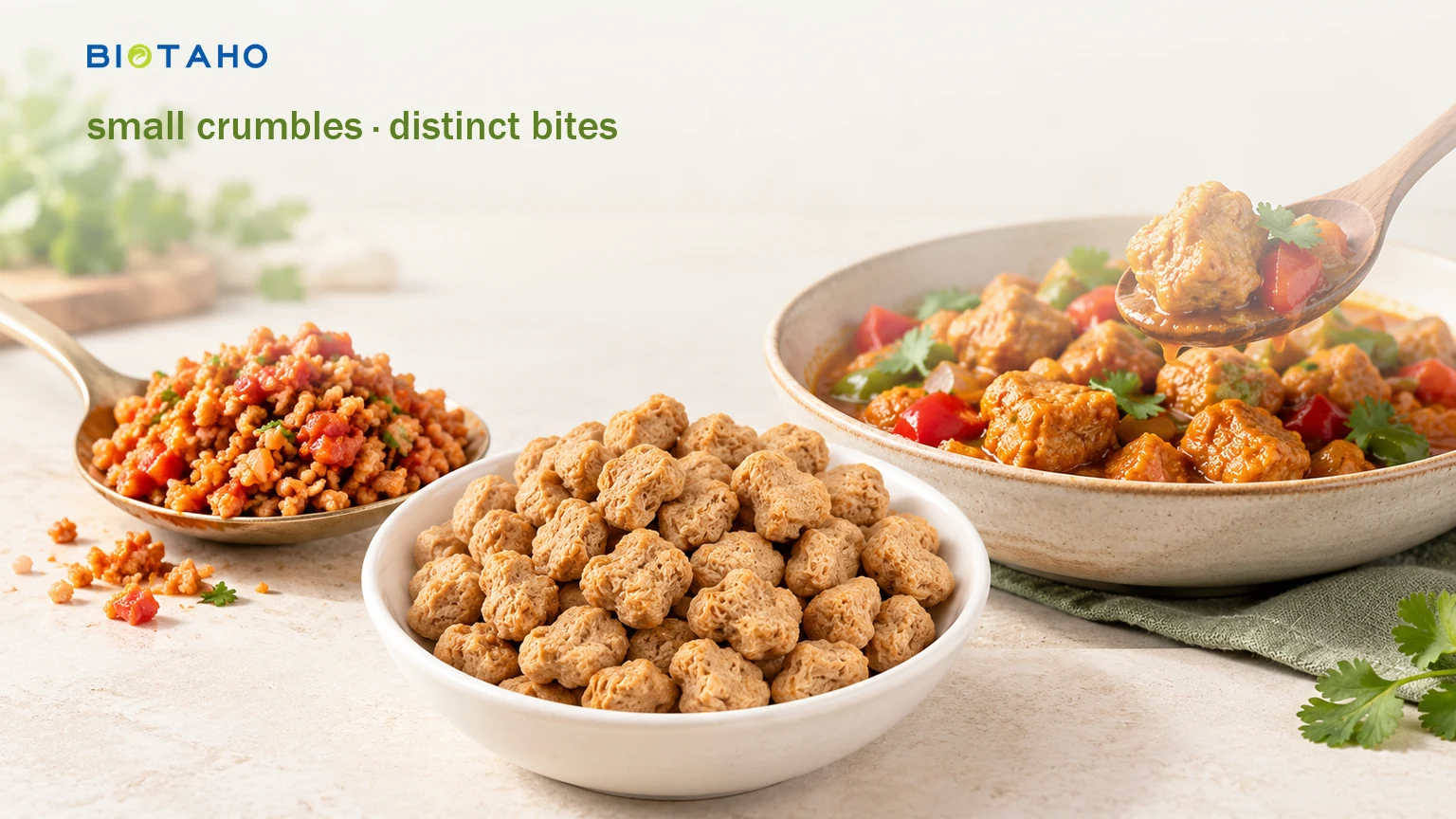
Le Morceaux de protéines de soja fibreuses en cubes pour la restauration collective offer a different shape for a saucier meal. The brins de protéines de soja déchiquetés are a closer form match for a strip-style filling. Both pages list hydration windows of 60–65 minutes, so neither should be scheduled as an instant swap for already-prepared granules.
| Soy format | Role in the meal | Preparation and moisture decision |
|---|---|---|
| Granules | Small crumbles distributed through the tomato-bean filling | Prepare separately, then reduce the sauce until it coats the pieces. |
| Petits morceaux | Distinct bites in a spoonable tomato-bean meal | Allow for the product’s preparation stage and retain enough sauce to surround the pieces. |
| Les fils | Shredded pieces for a strip-style filling | Prepare separately and control free liquid before using in a wrap or flatbread. |
The chunk and strand formulations also include soy ingredients and wheat gluten, so switching shape does not remove the wheat issue. Keep the skillet’s flavour-building order as a guide, but reassess preparation, sauce quantity and texture when changing forms. Their catering applications identify possible uses; the best result in this particular meal still needs a recipe-specific trial.
Foire aux questions
What are the top 10 vegetarian dishes?
There is no universal top ten. Within this style of cooking, useful options include a tomato-soy skillet, bean chilli, soy bolognese, bean wraps, soy tacos, stuffed peppers, loaded toast, rice bowls, chunk stew and strand flatbreads. They need different sauce consistencies and, for baked or shaped dishes, their own methods.
What are 10 good dinner foods for vegetarians?
For this skillet and its serving options, ten useful foods are soy granules, beans, tomatoes, onions, garlic, spinach, bread, rice, couscous and wraps. Combine them around the recipe instead of treating any one ingredient as a complete dinner.
What are some amazing vegetarian recipes?
A well-reduced tomato-bean skillet is a practical starting point. Its appeal comes from softened onion, briefly cooked spices and a lemon finish. Serve it on toast or reduce it further for wraps before experimenting with a different soy format.
What are five quick vegetarian dinner recipes?
Five options based on prepared components are the skillet above, skillet toast, tomato-bean wraps, rice bowls and couscous bowls. These are serving variations on one base, not five separate tested recipes. Include protein preparation and any starch cooking in your dinner schedule.
What would be good for dinner tonight for a vegetarian?
If you have granules, canned tomatoes and beans, make the skillet after checking the protein’s preparation time. If time is short, do not assume dry granules can go straight into the sauce; choose ingredients you can prepare fully within the time available.
Can you give me a list of vegetarian dishes?
For meals close to this ingredient set, consider tomato-soy skillet, bean chilli, granule wraps, loaded toast, rice bowls and saucy chunk stew. Choose the protein form first, then use a method suited to that form and the serving consistency you need.
Références
- FDA : Manipulation sûre des aliments — directives en matière de refroidissement, de réfrigération et de réchauffage.
- FDA : Allergies alimentaires — major allergens, including soybeans and wheat, and ingredient-label information.
- La Société végane : Définition du véganisme — animal-derived ingredients excluded from a vegan diet.
Developing a skillet or wrap filling? Contact Baichuan about ingredient samples and current preparation directions pour un essai spécifique à une recette.