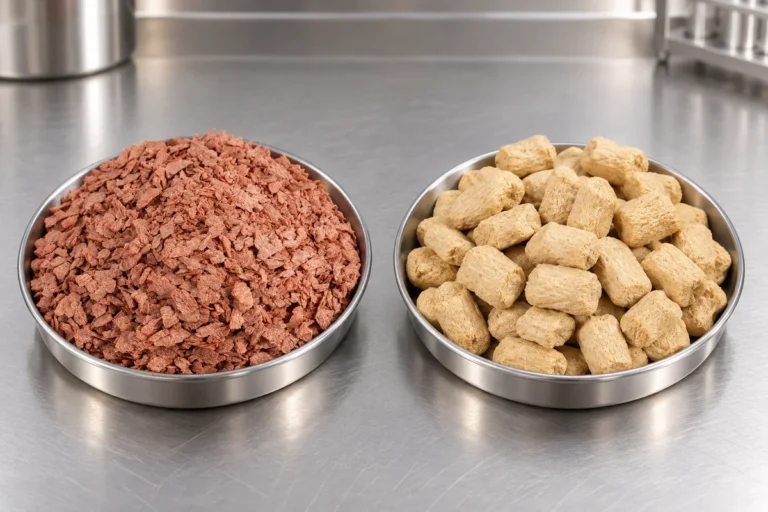
Fibrous Soy Protein vs TVP: Are They the Same or Different?
Fibrous soy protein vs TVP is not a simple either-or: fibrous soy is one textured format. Compare structure, hydration and specification terms before buying.



Fibrous soy protein vs TVP is not a simple either-or: fibrous soy is one textured format. Compare structure, hydration and specification terms before buying.
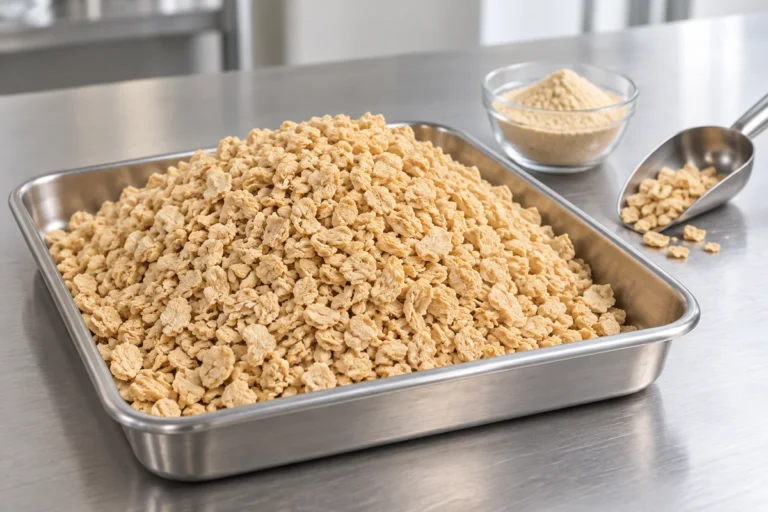
Is textured vegetable protein healthy? Its ingredients, prepared serving and full recipe matter, alongside soy allergy, sodium and the way it is cooked.
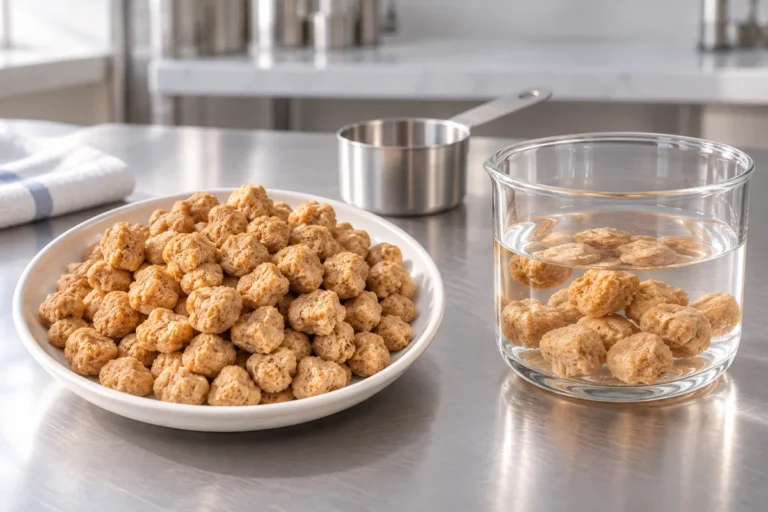
Rehydrate fibrous soy protein by testing liquid uptake, soaking time and draining for the specific grade. The right endpoint depends on the final cook.
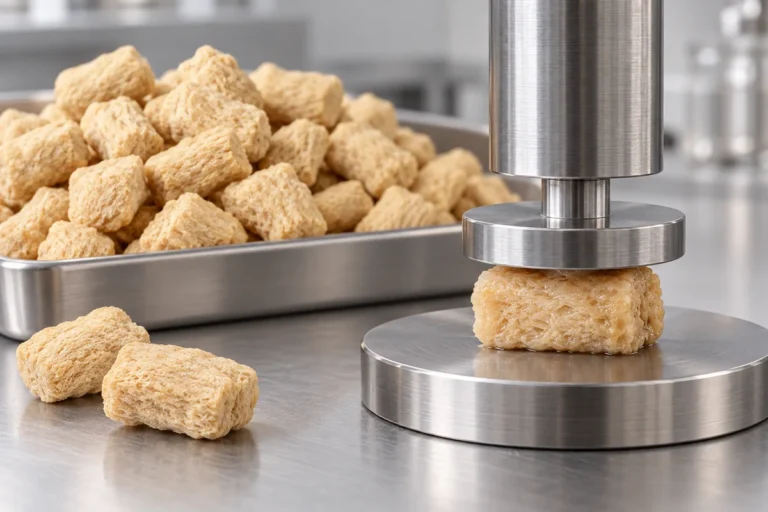
Rubbery TVP can come from a dense grade, uneven hydration or the cooking route. Cut open the pieces and compare soak conditions before changing the recipe.
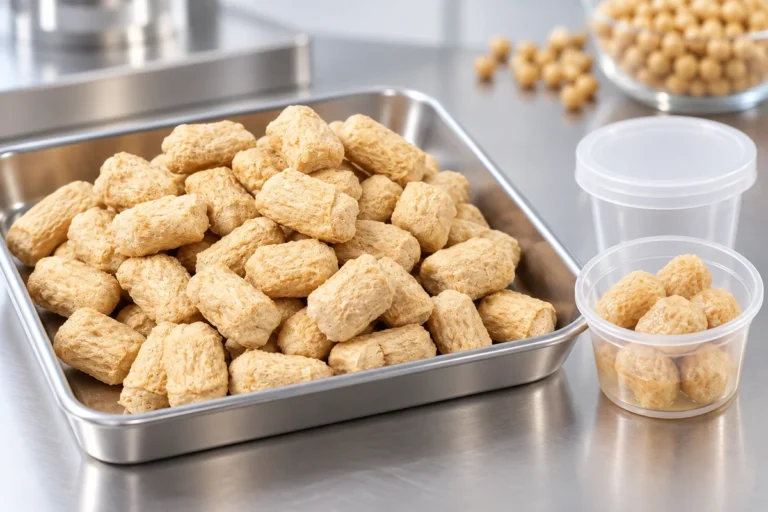
A beany taste in textured soy protein may come from the grade or emerge during hydration and storage. Compare samples before adding more seasoning.

Fibrous soy protein is an extruded ingredient selected for its piece structure and bite. See how grades differ and what a food manufacturer should test.

Mushy textured soy protein may have taken up too much water or lost structure during mixing. Check hydration, draining and cooking before changing grades.
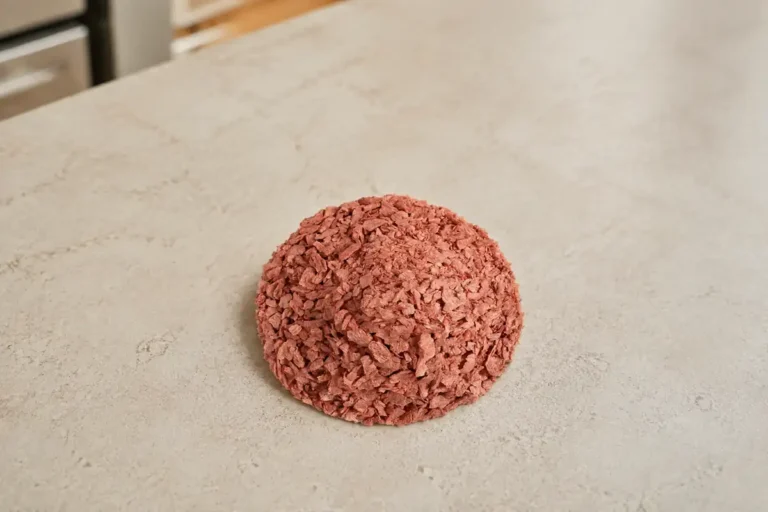
Fibrous soy protein can give plant-based meat a more layered bite, but the recipe and process still matter. Compare formats, hydration and application fit.
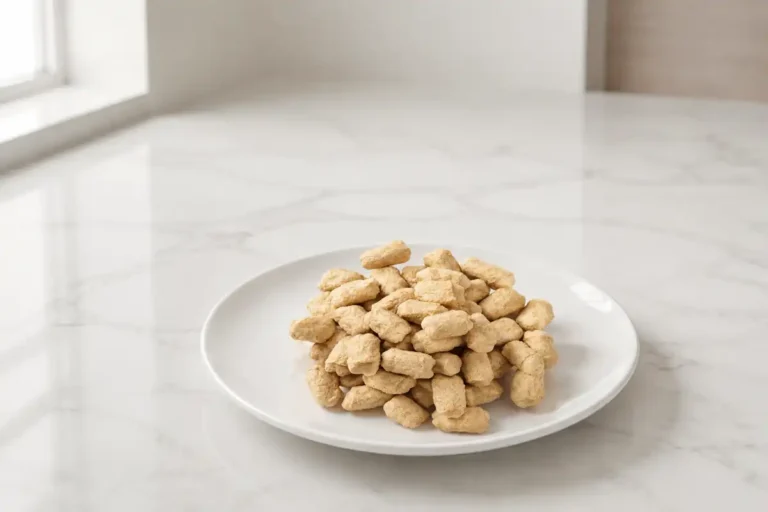
To rehydrate fibrous soy protein, weigh the liquid and check the center as well as the surface. Time, temperature and draining all change the cooked bite.